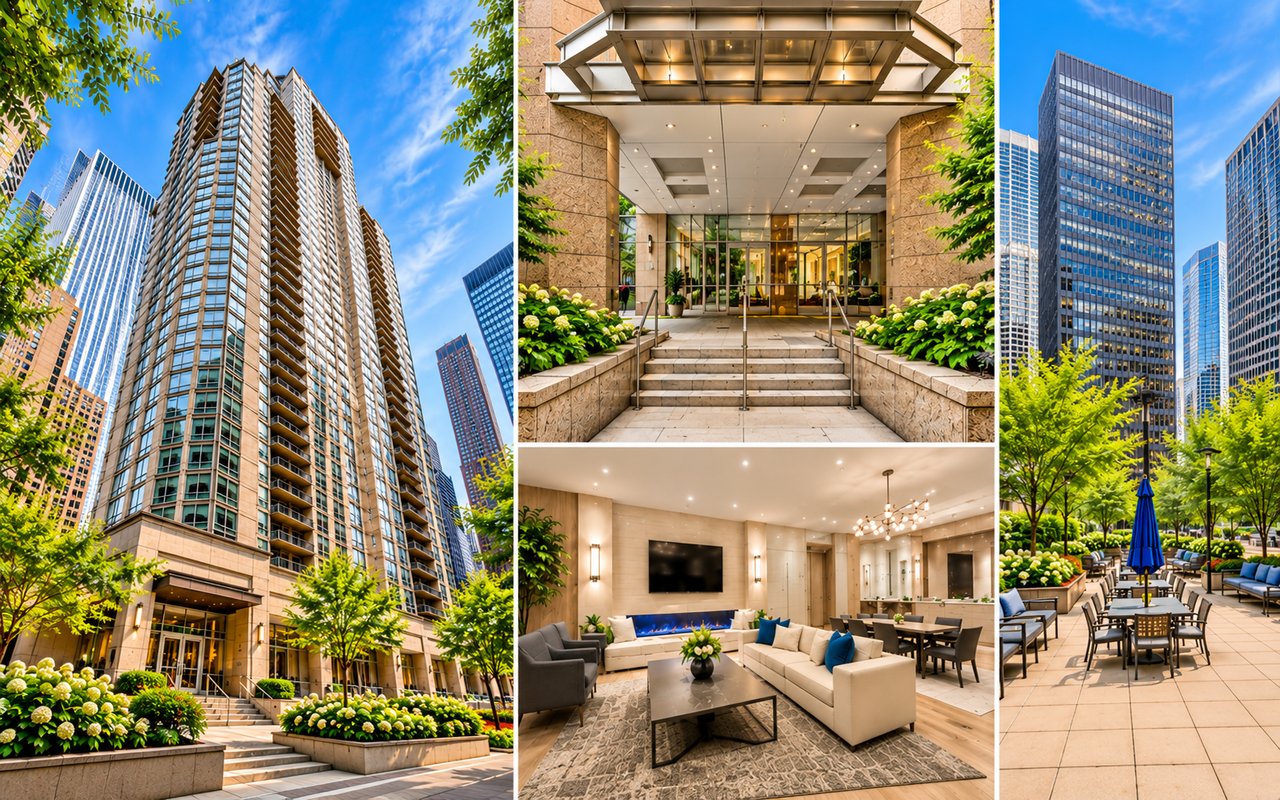
Chicago is a city of remarkable transformations. Few places illustrate this better than Lakeshore East, a modern residential neighborhood where striking skyscrapers rise around a beautifully landscaped park.
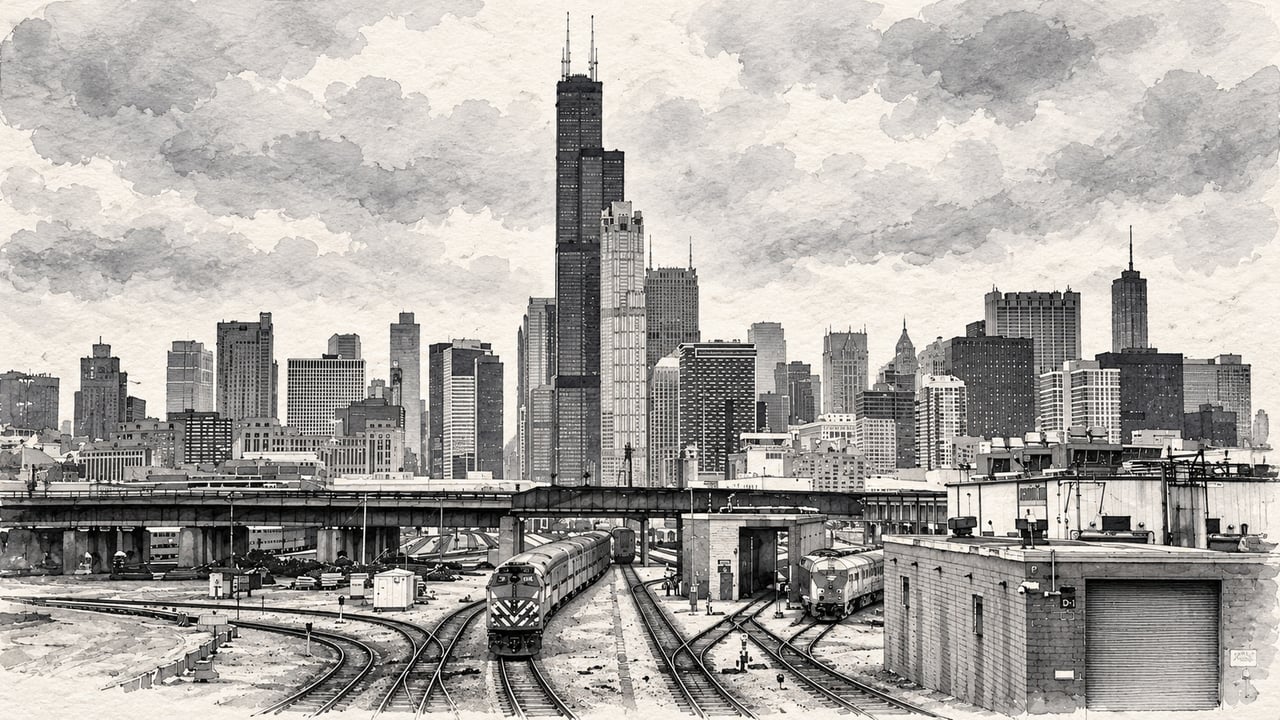
But imagine standing here a century ago. Instead of residential towers, gardens, and pedestrian pathways, you would have seen railroad tracks, freight operations, and an industrial landscape.
The story of Lakeshore East is one of Chicago's most fascinating examples of urban reinvention.
From Railroad Yards to an Unexpected Golf Course
During the nineteenth and much of the twentieth century, the area that is now Lakeshore East was part of Chicago's busy transportation infrastructure.
The Illinois Central Railroad operated extensive rail yards near the lakefront, supporting Chicago's growth as a major commercial and transportation center.
As the city's transportation needs evolved, portions of this valuable downtown land became available for redevelopment.
Then came an unexpected transformation.
In 1994, a nine-hole, par-three golf course called Metro Golf at Illinois Center opened on the site. Designed by renowned golf course architect Pete Dye, it offered an unusual experience: playing golf surrounded by downtown Chicago's skyscrapers.
The golf course closed in 2001, making way for an entirely new vision.
A New Vision for Downtown Chicago
Rather than developing the land as a collection of unrelated high-rise buildings, Magellan Development Group commissioned the architectural firm Skidmore, Owings & Merrill (SOM) to create a comprehensive master plan.
Completed in 2001, the plan envisioned a 28-acre mixed-use neighborhood with residential towers, commercial spaces, pedestrian connections, and a landscaped park at its center.
The idea was both ambitious and surprisingly simple: create a neighborhood where urban density and green space could coexist.
One of the greatest challenges was the site's complex, multilevel street system. The architects used changes in elevation to help organize the neighborhood and create connections to the surrounding city.
Development began in the early 2000s, marking the start of a transformation that would reshape this part of Chicago's skyline.
Today, Lakeshore East stands as an example of how thoughtful urban planning can turn former industrial land into a distinctive residential community.
And perhaps the most remarkable part of the story is that the neighborhood was designed not around a skyscraper, but around a park.
From Urban Vision to Residential Living
What began as an ambitious redevelopment project has become one of downtown Chicago's most distinctive residential communities.
For buyers, Lakeshore East offers an appealing combination of architectural variety, landscaped green space, and proximity to Chicago's cultural, recreational, and business destinations.
For homeowners considering selling, the neighborhood's distinctive character is an important part of presenting their properties to prospective buyers.
Understanding the architecture, individual buildings, amenities, and lifestyle helps tell a more compelling story when positioning a condominium for sale.
Each building has its own identity and market considerations — something worth understanding whether you're searching for a downtown home or preparing to sell one.
Lakeshore East History: Frequently Asked Questions
1. What was Lakeshore East before it became a residential neighborhood?
The area was formerly occupied by Illinois Central Railroad yards. It later became a nine-hole golf course before being redeveloped into today's residential neighborhood.
2. Was there really a golf course in downtown Chicago?
Yes! Metro Golf at Illinois Center opened in 1994 and closed in 2001. The nine-hole course was designed by Pete Dye and surrounded by downtown buildings.
3. Who developed the Lakeshore East master plan?
Skidmore, Owings & Merrill designed the master plan for Magellan Development Group.
4. When did the modern Lakeshore East development begin?
The master plan was completed in 2001, and development began in the early 2000s.
Discover More of Lakeshore East
This article is part of Discover Lakeshore East, a series exploring the architecture, history, and urban lifestyle of one of Chicago's most distinctive downtown communities.
Coming Next: The Vision Behind Lakeshore East: A Neighborhood Built Around a Park.
Explore Lakeshore East Real Estate
Whether you're considering buying a condominium in Lakeshore East or preparing to sell your property, understanding the neighborhood and its individual buildings is an important first step.
Thinking of selling?
Explore My Chicago Condo Selling Strategy
Looking to buy?
Explore Lakeshore East condominiums and discover the buildings, amenities, and lifestyle that make this neighborhood distinctive.
About Larissa Brodsky
Larissa Brodsky is a Chicago real estate broker with Compass, specializing in downtown Chicago condominium markets, including Lakeshore East, Streeterville, and River North.
With experience representing buyers and sellers in Lakeshore East, Larissa combines neighborhood knowledge, building-specific expertise, and a strategic approach to real estate.
Larissa Brodsky | Compass Real Estate
Chicago Railroad Yards, 1978 — Artistic interpretation inspired by a historical photograph by Downtowngal / Wikimedia Commons, licensed under CC BY-SA 4.0. Reimagined as a digital watercolor illustration using AI. This adaptation is shared under CC BY-SA 4.0.
Historical illustration for editorial purposes; not a depiction of the original Lakeshore East site.