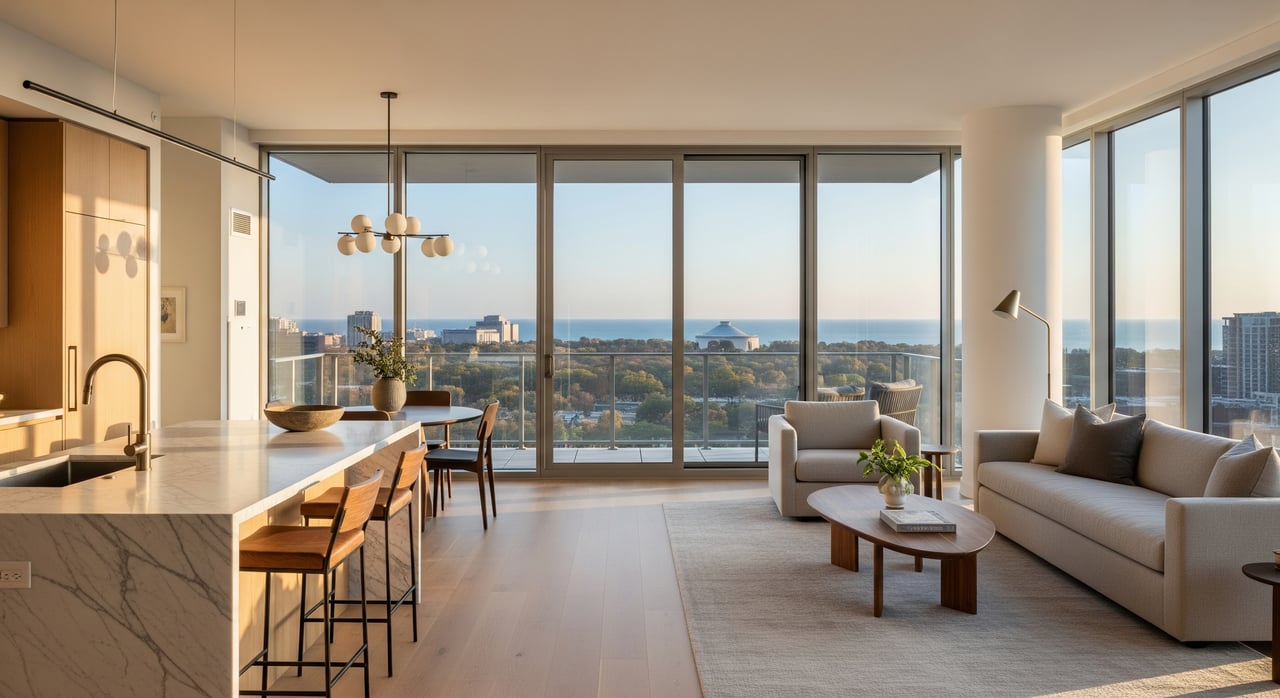
What if your morning run started on the Lakefront Trail and your commute took less time than brewing a second cup of coffee? If you are weighing a South Loop condo, you are likely balancing city energy with day-to-day convenience. In this guide, you will see what life looks like here, from parks and dining to building styles, fees, transit, and buyer tips. You will also learn how to match your lifestyle and budget to the right building. Let’s dive in.
South Loop at a glance
South Loop sits just south of Chicago’s central business district and borders Grant Park, Museum Campus, and the lakefront. That location shapes daily life, from skyline and lake views to easy access to green space and cultural landmarks. Many residents trade a yard for parks, building amenities, and a short walk to restaurants and transit. If you want an urban, lake-adjacent lifestyle, this neighborhood delivers.
Walkability and daily errands
You can run many errands on foot, and most daily needs are within a 5 to 15 minute walk from many buildings. Walkability varies by block, with a higher concentration of services closer to Michigan Avenue and Roosevelt Road. For a quick snapshot of a specific address, check neighborhood scores on Walk Score and visit in person at different times of day. You will likely combine walking with transit, biking, or ride-hailing to round out your routine.
Parks, culture, and big events
Grant Park, Millennium Park to the north, Maggie Daley Park, and the Museum Campus are part of your backyard. You can explore them and the Lakefront Trail via the Chicago Park District. Sports and concerts at Soldier Field and large festivals in Grant Park bring world-class events close to home. They also bring crowds, traffic, and street closures during peak event days, which some residents plan around.
Dining, nightlife, and the arts
You will find a mix of cafes, fast-casual spots, and sit-down restaurants, with clusters near Michigan Avenue, Roosevelt Road, and Printer’s Row. Printer’s Row also offers a literary vibe with bookstores and independent businesses. Downtown theaters, music venues, and museums are a short walk or train ride away. If you like variety without a long commute, you will appreciate this setup.
Condo buildings and unit styles
South Loop offers a wide range of building types, which is why prices and monthly fees vary so much. Newer glass towers often emphasize service and amenities. Older conversions and mid-century buildings can appeal if you value character or lower fees.
High-rises, lofts, and more
- Newer high-rises: Concierge or doorman service, fitness centers, pools, roof decks, and social spaces are common. These buildings attract buyers who want turnkey living and amenities that extend their home.
- Mid-century towers: Simpler amenity packages, which can translate to lower monthly fees. These buildings may still offer fitness rooms or shared lounges but at a smaller scale.
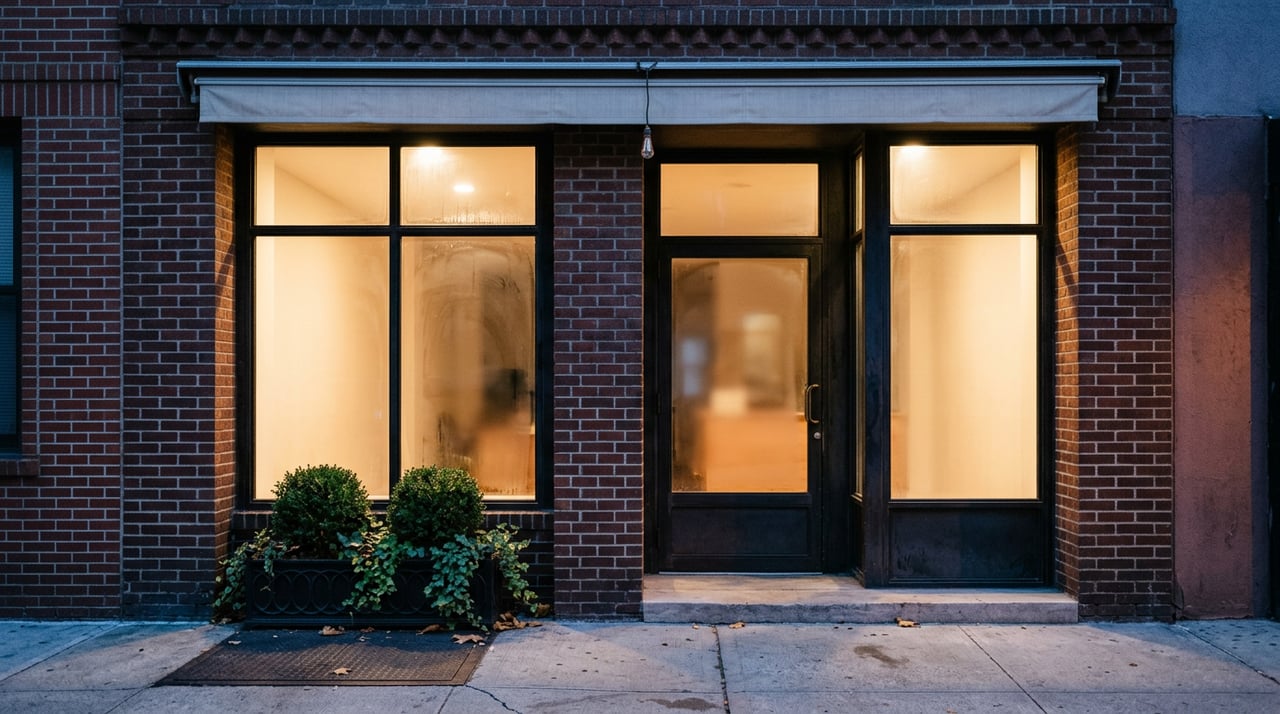
- Historic loft conversions, especially in Printer’s Row: Exposed brick, tall ceilings, and larger floor plates in some units. Fewer full-service amenities but strong character and space.
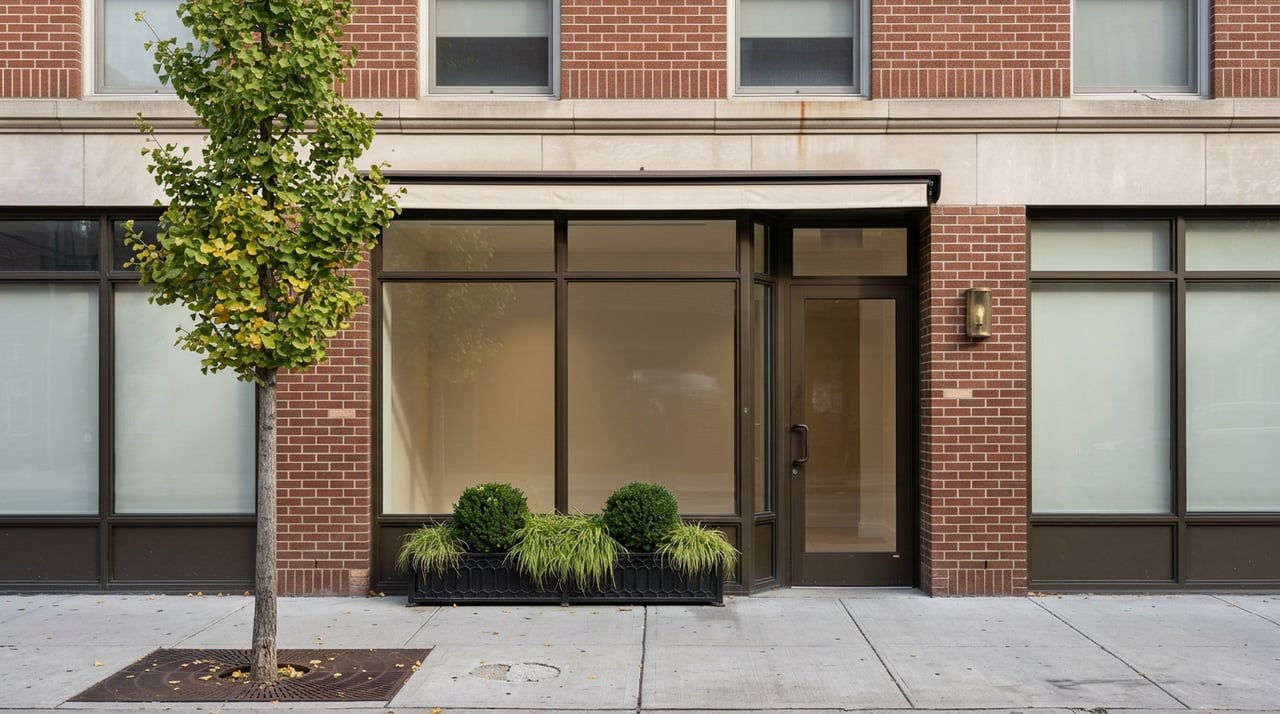
- Townhome pockets and mixed-use buildings: Scattered options that blend residential with ground-floor retail.
Floorplans and finishes
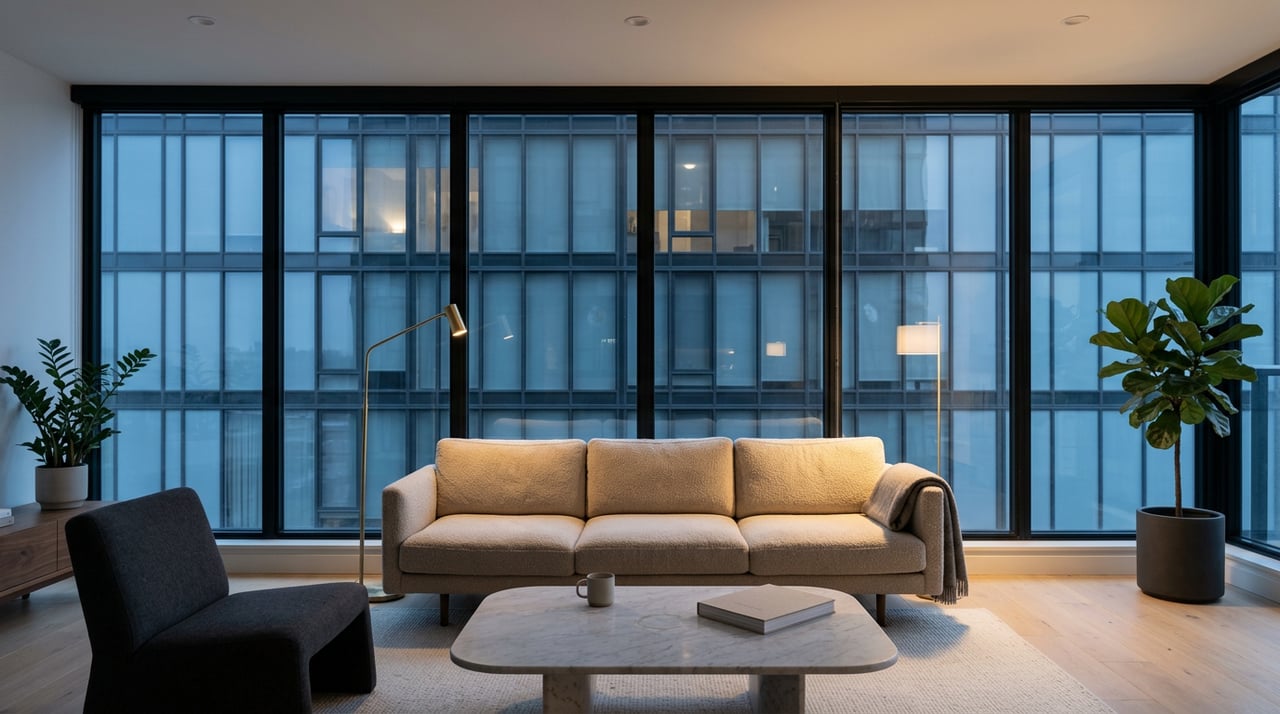
Studios, one-bedrooms, and two-bedrooms are most common, with larger units and penthouses available in select buildings. Layouts vary by era. Newer towers may favor open plans and floor-to-ceiling windows. Conversions may have unique room shapes and generous living areas. Compare square footage, usable storage, and natural light, not just the bedroom count.
Amenities and HOA fees
Amenity-rich buildings carry higher monthly homeowner association fees to cover staffing and facilities. Some fees include heat, water, or other utilities. Older buildings and conversions often have lower monthly fees but may levy special assessments for major repairs if reserves are low. Always confirm what the fee covers and review the association’s financials during due diligence.
Getting around without a car
South Loop supports car-light living with multiple transit and bike options. Many residents walk, bike, or take the train to work and errands.
CTA, buses, and biking
The Roosevelt station area connects you to key CTA lines for quick north-south and cross-town access. Several bus routes run along Michigan Avenue, State Street, and Roosevelt Road. You can review routes, maps, and schedules on the Chicago Transit Authority site. Cyclists use the Lakefront Trail and nearby bike lanes for commuting and recreation, and Divvy stations are common in and around the neighborhood.
Regional rail and airport access
If you commute to the suburbs or travel often, South Loop offers short transit links to downtown terminals like Union Station and LaSalle Street. Check schedules and connections through Metra. Many residents use ride-hailing or the CTA to reach both O’Hare and Midway, depending on time of day and traffic.
Costs to plan for
Prices and monthly costs vary widely by building type, floor level, and view. Smaller one-bedrooms and older units tend to be more budget-friendly. Luxury high-rises with lake or park views usually command premium pricing. Because market conditions can change quickly, compare recent sold data by building class before you write an offer.
Monthly carrying costs
- HOA/condo fees: Higher in full-amenity towers, lower in simpler or older buildings. Confirm which utilities and services are included.
- Property taxes: Cook County assessments and exemptions affect your bill. For details and lookup tools, visit the Cook County Assessor.
- Parking: Many buildings sell or rent spaces separately. Price and availability vary by building and may add a notable monthly cost.
- Utilities and insurance: Check whether heat or water is included. You will also need condo insurance for your interior and personal property.
Reserves and special assessments
Older associations without strong reserves may need special assessments for big projects like façade repairs, roofs, or mechanical systems. During attorney review, request HOA budgets, reserve studies, and recent meeting minutes. If you want to understand the legal framework that governs Illinois condominiums, you can review the Illinois Condominium Property Act. Your attorney can help you interpret these materials.
Urban tradeoffs to consider
South Loop is vibrant and active. With that comes some noise, traffic, and construction, especially near Michigan Avenue, major corridors, and event venues. Lower floors and street-facing exposures experience more street-level noise. If you are sensitive to sound, consider higher floors or homes oriented toward courtyards or away from major streets.
Crowds spike during big concerts, sporting events, and festivals at Grant Park and Soldier Field. On those days, you may want to plan your driving and parking with extra time. Many residents embrace the excitement and walk to events. Others enjoy the parks and museums during quieter hours.
Safety and situational awareness
As with many downtown neighborhoods, you will see the usual urban patterns, including property-related crimes like theft or car break-ins. Crime levels vary block by block. You can review incident data and trends through the Chicago Police Department crime data portal. Most residents follow standard city precautions, like staying aware of surroundings and securing bikes and vehicles.
A smart due diligence checklist
Use this quick list to compare buildings and units:
- Visit at different times, such as a weekday rush hour and a weekend evening, to gauge noise, crowds, and transit frequency.
- Review HOA budgets, reserve studies, and meeting minutes for upcoming projects and assessment history.
- Confirm what the monthly fee covers, including utilities and building services.
- Verify parking: ownership vs. leased, monthly cost, and waitlists.
- Check walk times to your transit stops, bike lanes, and preferred routes.
- Assess unit exposure for natural light and potential noise.
- Compare recent sales in the same building and nearby buildings to confirm pricing and value.
Who loves living here
If you value a short commute, green space at your doorstep, and amenities that extend your home, South Loop is worth a close look. Active professionals appreciate the Lakefront Trail for fitness and the CTA for quick trips across the city. Culture seekers enjoy easy access to museums, theaters, and live events. If you travel often, regional rail and airport connections make logistics easier.
Ready to explore South Loop condos?
You deserve building-level insight that aligns with your goals, budget, and timeline. From evaluating HOA health to modeling monthly costs, you can make a confident decision with the right guidance. For a tailored shortlist and data-driven advice, reach out to Larissa Brodsky for boutique, high-touch representation backed by Compass tools.
FAQs
How walkable is the South Loop from a specific address?
- Check the address on Walk Score, then visit at morning, midday, and evening to see how errands, transit, and street activity feel in real life.
What should I know about South Loop HOA fees?
- Amenity-rich towers tend to have higher monthly fees that can include staffing and facilities, while older or conversion buildings often have lower fees but may levy special assessments for major repairs.
How does parking work in South Loop condo buildings?
- Many associations sell or rent parking separately, which can add a monthly cost and may involve waitlists or specific spaces, so verify terms, fees, and availability before you buy.
Are events at Grant Park and Soldier Field disruptive for residents?
- Big events bring crowds, traffic, and noise, especially near major streets, so consider unit orientation and floor level and plan your driving and parking with extra time on event days.
What transit options connect South Loop to the rest of Chicago?
- The Roosevelt CTA hub and several bus routes provide quick access across the city, and regional commuters can connect through nearby downtown terminals listed on Metra and routes on the CTA.
How can I evaluate a building’s reserves and risk of special assessments?
- During attorney review, request HOA budgets, reserve studies, and recent minutes, and consult the Illinois Condominium Property Act for the legal framework that governs associations.
What should I know about safety when living in the South Loop?
- Review neighborhood data on the Chicago Police Department crime portal and follow standard city precautions like securing property and staying aware of surroundings.
How do property taxes work for South Loop condos?
- Taxes are based on Cook County assessments and exemptions, so use the Cook County Assessor site to look up a property, then factor the annual bill into your monthly budget.