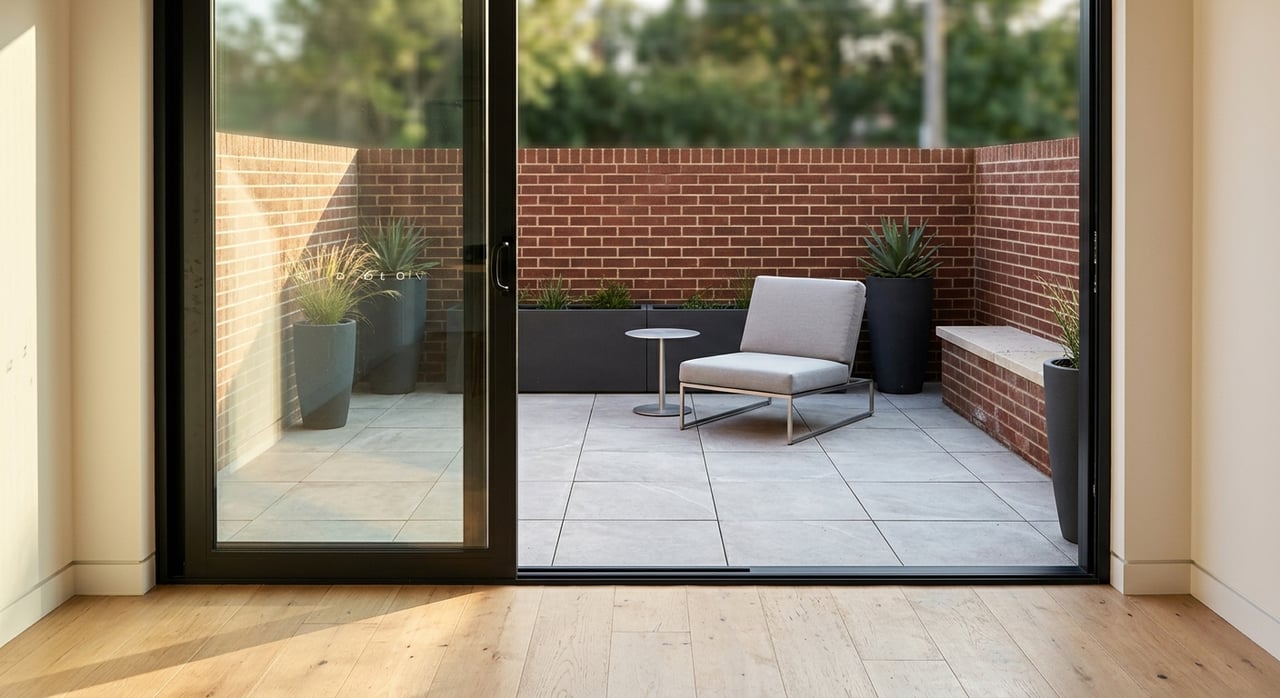
Thinking about trading your downtown condo for a lower-maintenance home in Winnetka? You are not alone. For many Chicago condo owners, the goal is not simply more space. It is a different daily rhythm, fewer upkeep demands, and a move that still works with your commute, budget, and long-term plans. If that sounds like you, this guide will help you think through what “low-maintenance” really means in Winnetka and how to plan the move with less stress. Let’s dive in.
Why Winnetka fits this conversation
A low-maintenance move is not just a lifestyle trend in Winnetka. It is part of a bigger housing conversation in the village. Winnetka’s 2040 plan notes that rising housing costs, fewer housing types, and a shortage of downsize options are shaping who can comfortably stay in the community.
That matters if you are coming from a downtown high-rise and hoping to keep life simpler. In Winnetka, the challenge is usually not whether low-maintenance living exists. It is whether you can find the right version of it in a market where those options are more limited.
Winnetka housing options at a glance
If you are used to the broad condo inventory in downtown Chicago, Winnetka will feel different. According to CMAP’s 2025 housing profile, 89.1% of housing units are in single-unit structures. Only 2.3% are in 2 to 4 unit buildings, 7.3% are in 5 to 49 unit buildings, and 1.4% are in buildings with 50 or more units.
In plain terms, attached homes are a much smaller part of the housing stock here. Winnetka is also an older housing market, with a median year built of 1938. That can create charm and character, but it also means you should not assume “smaller” automatically means “easy.”
Census QuickFacts adds more context. Winnetka has a 92.0% owner-occupied housing rate and a median owner-occupied value of $1,337,800. So when you shop here, you are entering a largely owner-occupied, high-value market where lower-maintenance inventory may come with less choice and strong competition.
What low-maintenance really means
If you are moving from a full-service condo building, it helps to reset your expectations. In Illinois, a condo or townhome community can feel low-maintenance because the association is responsible for certain common elements. The Illinois Department of Financial and Professional Regulation says boards administer common elements, governing documents must address maintenance, repair, and replacement of those elements, and owners pay assessments that support those responsibilities.
That sounds familiar if you already own a condo downtown, but the details may be very different from one property to another. What the association covers is not universal. It depends on the declaration, bylaws, budget, reserves, and the exact definition of common and limited common elements.
What the association may cover
In some condo or townhome communities, the association may handle items such as:
- Shared roofs
- Exterior building components
- Common driveways or access areas
- Shared structures and grounds
- Certain repair and replacement obligations tied to common elements
This is the core appeal of attached living for many buyers. You may shift some exterior upkeep and long-term maintenance planning away from your personal to-do list.
What may still be your responsibility
Even in a lower-maintenance home, you may still be responsible for:
- Interior systems and finishes
- Repairs within your unit
- Costs tied to limited common elements, depending on the documents
- Monthly assessments
- Special assessments, if needed
- Following rules on use, access, and occupancy set by the association
The Illinois condo handbook also notes that limited common elements can include balconies, terraces, patios, and parking spaces or facilities. In some communities, those spaces feel private in daily use, but the maintenance and cost responsibilities can still be defined in a specific way by the governing documents.
Why documents matter more than the marketing
When a listing says “low-maintenance,” treat that as a starting point, not a conclusion. The association documents tell you what you are actually buying into. They can also address rental restrictions, owner obligations, and when the board may need access to a unit for maintenance or emergency repairs.
For a downtown condo owner, this is especially important because suburban attached living is not always structured like a Chicago high-rise. You may find fewer amenities, a different reserve philosophy, or a more limited management setup. That does not make one model better than the other. It simply means you need to compare them carefully.
Ask about reserves and planning
The Illinois handbook describes a reserve study as a kind of business plan for maintenance. That is a useful way to think about it. If you are trying to avoid surprise costs, ask whether a reserve study exists, how current it is, and whether dues appear adequate for future common-element replacement and deferred maintenance.
A low monthly assessment does not automatically mean a better deal. Sometimes it means less is being funded today for costs that will show up later.
Do not skip the inspection
Because Winnetka’s housing stock is older overall, a standard inspection is still important, even if the home is marketed as low-maintenance. You still need a clear picture of the structural and mechanical systems. Smaller footprint does not remove the need for due diligence.
This is one of the biggest mindset shifts for city condo owners. In a high-rise, many major systems are shared across a large building. In a suburban condo or townhome setting, the lines between association responsibility and unit responsibility can feel less obvious, especially in older properties.
Commute planning: check the full trip
For many buyers making this move, the question is not only where to live. It is whether the move still works on a Tuesday morning. Winnetka has three Metra stations on the Union Pacific North line, and the village says the line provides frequent daily service to the West Loop via Ogilvie Transportation Center.
That is a strong option if your office is near Ogilvie or easily reached from there. But this is the key nuance: the train gets you to Ogilvie, not to every office or neighborhood in the Loop. Before you fall in love with a property, map the final leg of your commute from station to workplace.
Winnetka transit options to know
Winnetka offers a practical car-light pattern for some buyers. The village’s transit network includes:
- Three Metra stations: Winnetka, Hubbard Woods, and Indian Hill
- Pace Route 213
- Pace Route 423
- Access to the Green Bay Trail near the stations
The Winnetka station at 754 Elm Street is in fare zone 3 and offers parking plus Pace connections on routes 213 and 423. Route 213 connects Evanston’s Davis Street Purple Line station to Northbrook Court and serves stops near local destinations in the north shore corridor. Route 423 provides local access to Winnetka Metra and links Wilmette’s 4th and Linden Purple Line station to Harlem Blue Line.
The Green Bay Trail adds another useful layer. It runs about 2.24 miles parallel to the Metra line and has access points at the Winnetka, Indian Hill, and Hubbard Woods stations. If you like the idea of walking or biking to the train instead of driving, that can be a real advantage.
How to compare location inside Winnetka
When you narrow your search, think less about zip code and more about daily patterns. Ask yourself:
- Which Metra station fits your routine best?
- Would you use the trail for station access?
- Do you want parking at or near the station?
- Would a Pace connection help on some days?
- How much of your week depends on an easy downtown trip?
This kind of planning is often what separates a move that looks good on paper from one that feels easy in real life.
Should you sell your downtown condo first?
In many cases, selling first is the cleaner path. Consumer guidance notes that when you want to move, you normally try to sell your current home before buying another one. That approach can help you understand your proceeds before you commit to the next purchase.
It also matters because buying and selling come with transaction costs, including commissions, taxes, and other expenses. If you are comparing a downtown condo with a Winnetka attached home, you want those numbers on the table early.
Build your budget with all housing costs
When lenders prepare Loan Estimates, they want to see property taxes and condo or HOA dues. That means your monthly comparison should include more than just principal and interest. A move that looks straightforward at first can feel different once you account for taxes, assessments, and maintenance responsibilities that stayed with the owner.
For condo owners, this is where a data-driven approach really helps. You are not just choosing a new address. You are comparing two ownership structures with different cost patterns.
Plan the timeline before you write an offer
This kind of move is really about sequencing. Sale proceeds, down payment timing, association document review, inspection planning, and commute fit all need to line up. If you wait until the last minute, the process can become more stressful than it needs to be.
Another timing point matters on the financing side. The lender must send the Closing Disclosure at least three business days before closing. That is one more reason to map your sale and purchase timelines well in advance.
A smart planning checklist
If you are moving from a downtown condo to Winnetka, start with this:
- Estimate likely sale proceeds from your current condo.
- Set a purchase budget that includes taxes and HOA dues.
- Identify the attached-home options that truly reduce upkeep.
- Review association documents carefully.
- Ask about reserves and any reserve study.
- Schedule a standard inspection.
- Test the actual commute, including the last leg from Ogilvie.
- Coordinate closing timing before making major commitments.
The real tradeoff to expect
The biggest tradeoff is simple. In Winnetka, you are likely exchanging the large menu of downtown condo choices for a more limited supply of attached homes in a quieter, more residential setting. For many buyers, that trade is worth it. But it works best when you go in with clear eyes.
Low-maintenance living is possible here, but it is not automatic. The right move depends on inventory, documents, reserves, condition, commute, and timing. When those pieces line up, the transition from downtown condo to Winnetka can feel thoughtful rather than rushed.
If you are weighing a sale in the city and a purchase in Winnetka, working with an advisor who understands downtown condo economics and the details that matter in attached-home ownership can make the process much more manageable. When you are ready to map out the numbers, timing, and next steps, connect with Larissa Brodsky.
FAQs
How many low-maintenance home options are in Winnetka compared with detached homes?
- Winnetka’s housing stock is heavily weighted toward single-unit homes, with 89.1% of units in single-unit structures, so true condo and townhome options are much more limited than detached homes.
What does low-maintenance living in a Winnetka condo or townhome usually mean?
- In Illinois, it usually means the association handles certain common elements and owners pay assessments, but the exact maintenance split depends on the governing documents.
What should you review before buying a Winnetka attached home?
- You should review the declaration, bylaws, budget, reserve information, rules, and any details about limited common elements, since those documents define what the association covers and what remains your responsibility.
Why is an inspection important for a low-maintenance home in Winnetka?
- Winnetka’s housing stock is older overall, so a standard inspection helps you evaluate structural and mechanical systems even when the home is marketed as low-maintenance.
Which Winnetka transit option should you choose for a downtown Chicago commute?
- The best option depends on your exact destination, because Winnetka’s three Metra stations provide access to Ogilvie Transportation Center, but you should also check the final leg of the trip to your office.
Should you sell your downtown Chicago condo before buying in Winnetka?
- In many cases, selling first is the more practical path because it helps you understand your available proceeds and coordinate the budget and timing for your next purchase.