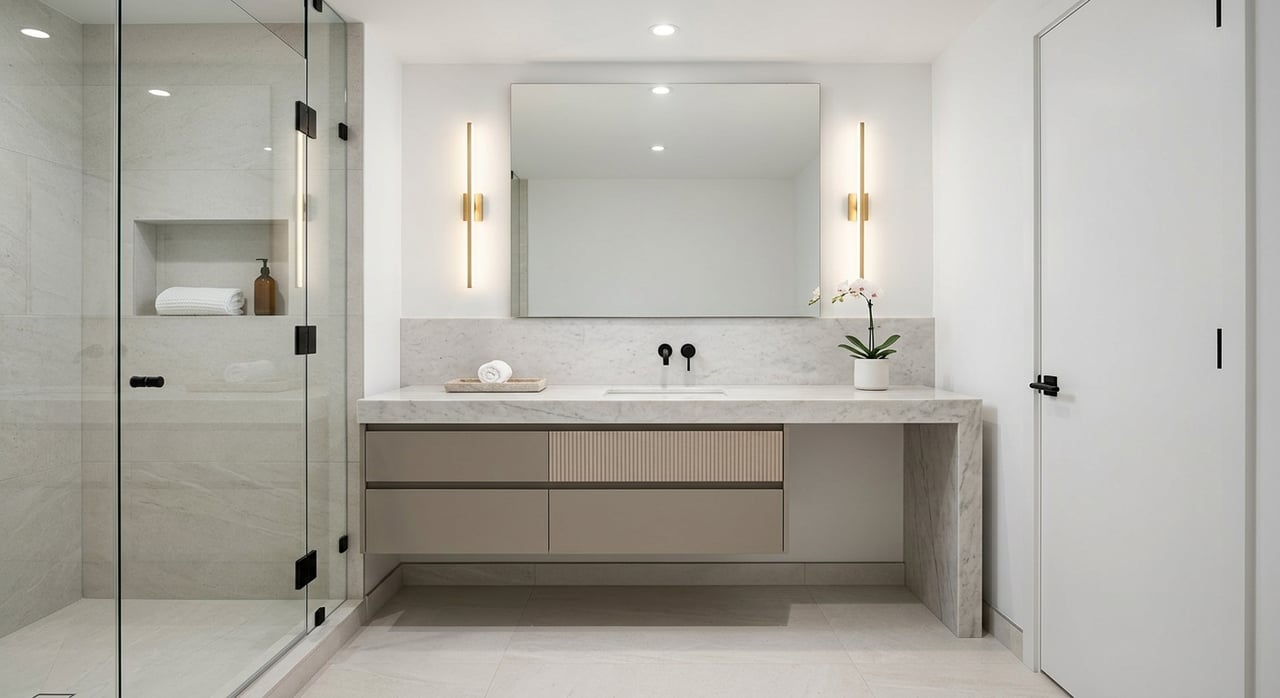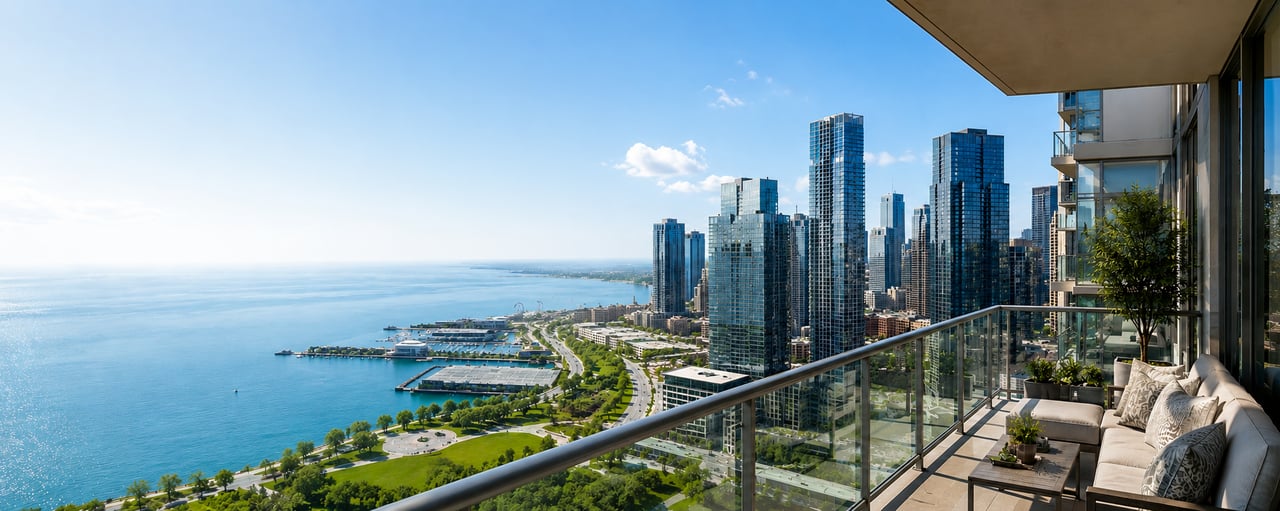
If you are eyeing a South Loop condo as a rental investment, it is easy to get pulled in by skyline views, full-service amenities, and strong renter appeal. But a smart purchase here usually comes down to something less flashy: building rules, monthly costs, and how well a specific unit fits the tenants most likely to rent it. If you want to invest with more clarity, this guide will help you evaluate South Loop condos through a practical, rental-focused lens. Let’s dive in.
Why South Loop draws renters
South Loop stands out because it offers the kind of location many renters actively want. Apartments.com rates the area 100 out of 100 for walkability and 90 out of 100 for transit, which supports the neighborhood’s live-work convenience. Redfin also estimates about 35,009 residents and 25,852 jobs in the area, reinforcing the appeal for people who want to stay close to work, transit, dining, and everyday errands.
The renter base is also meaningful. RentCafe reports that 60% of households in South Loop are renter-occupied, which helps explain why rental demand stays part of the neighborhood conversation. For an investor, that does not guarantee performance, but it does support South Loop’s reputation as a location that many tenants already choose.
South Loop pricing and rent today
Public data suggests South Loop condo pricing sits roughly in the mid-$300,000s to high-$300,000s, depending on the source and metric used. Redfin reports a March 2026 median sale price of $396,000, up 4.6% year over year, while Zillow shows a median sale price of $383,333 and a South Loop home value index of $331,229, down 4.5% year over year. Those numbers measure different things, so it is better to treat them as range indicators rather than a single market verdict.
Inventory looks active, not stalled. Redfin shows 139 condos for sale at a median listing price of $385,000, while Zillow lists 190 homes for sale in South Loop. Redfin also notes most homes are on the market about 43 days, receive about five offers, and the neighborhood is somewhat competitive.
On the rental side, the neighborhood shows solid pricing support. RentCafe places average rent at $2,727, with studios at $2,076, one-bedrooms at $2,521, and two-bedrooms at $3,362. Zumper reports a median rent of $2,689, and Apartments.com also shows South Loop rents above many citywide benchmarks.
Using RentCafe’s $2,727 average rent and Redfin’s $385,000 median listing price, the rough gross annual rent-to-price ratio comes out to about 8.5%. That can be a useful first-pass screening number. It is not a cap rate, and it does not account for HOA dues, taxes, insurance, vacancy, maintenance, or financing.
Compare buildings, not just the neighborhood
One of the biggest mistakes rental-focused buyers make is shopping South Loop by neighborhood headline alone. In this area, building differences can have a major effect on your numbers and your leasing strategy. Two condos with similar square footage can perform very differently depending on HOA dues, rental rules, parking setup, and amenity package.
The housing stock itself varies quite a bit. Current examples in the market include older conversion buildings and newer towers, with buildings dating from 1901, 1927, and 2008. That mix is part of South Loop’s appeal, but it also means you should expect meaningful differences in layout efficiency, upkeep, reserve planning, and what renters are willing to pay.
For many buyers, this is where building-level expertise matters most. A condo that looks attractive on a listing site may be less compelling once you factor in lease restrictions, special assessment risk, or a floor plan that does not match tenant demand.
Features renters often notice first
In South Loop, location gets tenants interested, but unit features often help close the deal. Based on current listings and rental marketing across the neighborhood, several features show up again and again.
The most consistently marketable unit-level features appear to be:
- In-unit washer and dryer
- A usable private balcony
- Parking access
These are not the only selling points, but they show up often enough to deserve special attention when you are comparing options. In many cases, they can influence how quickly a unit rents and how competitive your pricing feels against nearby inventory.
Amenities that can support rentability
Building amenities also matter, especially in a high-rise market where renters often compare several options at once. Current South Loop listings frequently market features such as:
- Doorman or concierge service
- Fitness centers
- Pools or sundecks
- Rooftop terraces
- Bike storage
- Dog parks or dog runs
- Business or co-working space
- Package rooms
- Controlled access
That said, more amenities do not automatically mean a better investment. A larger amenity stack may support stronger tenant appeal, but it can also come with higher monthly HOA dues. Your goal is not to buy the building with the longest feature list. Your goal is to buy a unit where the likely rent, the monthly carrying costs, and the renter profile all make sense together.
Parking can change your numbers
Parking deserves its own review because it can materially affect net income. In one current South Loop example, parking is priced separately at $175 for uncovered and $200 for covered. That may not sound dramatic at first, but over a year it can create a meaningful difference in what a tenant pays and what value they perceive.
When you evaluate a condo, ask whether parking is included, deeded separately, leased separately, or optional. Also check whether the building places any limits on parking rentals. A unit that looks competitive on paper can become less attractive if the parking setup adds friction or cost for the renter you are trying to attract.
HOA budgets and special assessments matter
For condo investors, the HOA is not background noise. It is part of the investment. Illinois condo law requires boards to distribute a proposed annual budget at least 25 days before the board vote, and that budget must identify common expenses, capital expenditures or repairs, real estate taxes, reserves, each owner’s anticipated assessments, and other income.
That gives you a useful framework for review. When possible, you want to understand not only the current monthly assessment, but also how the association plans for reserves, repairs, and future capital needs. A lower monthly HOA can look attractive at first, but if reserves are thin, your risk profile may be very different.
Special assessments also deserve close attention. Under Illinois condo law, boards can generally adopt a special assessment without unit-owner approval, except for certain additions or alterations to common elements or association-owned property not already in the budget, which require two-thirds owner approval. Owners can also trigger a rejection process when a board-imposed special assessment exceeds 115% of the prior year’s regular or special assessments.
For an investor, that means you should treat the building’s financial health as a core underwriting issue. A condo with strong rent potential can still underperform if the association’s budget, reserve planning, or fee structure creates unpredictable ownership costs.
Review lease policies before you buy
In South Loop, rental rules can make or break your investment strategy. Before you commit, review the declaration, bylaws, and rules for rental caps, lease term minimums, move-in requirements, board approval steps, and any tenant-related fees or procedures.
Illinois law also states that lease-related rules in the declaration, bylaws, and regulations apply to tenants and are incorporated into leases. For leases entered into after July 1, 1990, the owner must deliver a signed lease copy or memorandum to the board within 10 days of signing or by occupancy, whichever comes first. The association may enforce those rules against both the tenant and the owner.
This matters because a building may allow rentals in theory, while still imposing rules that shape your tenant pool and operating process. If you are buying with rental income in mind, you need the practical details, not just a quick yes-or-no answer on whether leasing is allowed.
Chicago rental rules also apply
For a South Loop condo investor, the building documents are only part of the picture. Chicago’s Residential Landlord and Tenant Ordinance applies to every rental agreement for a dwelling unit in the city, subject to stated exemptions. Most parts of the ordinance do not apply to owner-occupied rentals with six or fewer units, but that exemption usually does not fit a typical South Loop condo investment.
In practical terms, many condo landlords in South Loop need to think about both city rental rules and condo association rules at the same time. That is one more reason to approach the purchase with a building-specific review process. It helps you avoid surprises after closing.
What to make of vacancy and appreciation data
If you are trying to predict future performance, broad market data can help, but only up to a point. Matthews’ Q1 2026 Chicago apartment report says vacancy held near 5.0%, asking rents averaged about $1,950 per unit, and annual rent growth was just above 3.0%. That suggests a reasonably healthy rental backdrop for the city overall.
For South Loop specifically, the public appreciation picture is mixed. Redfin shows median sale prices up year over year, while Zillow’s home value index shows a year-over-year decline. Instead of forcing a simple “up” or “down” conclusion, it is more useful to recognize that different public indices can tell different stories.
For you as a buyer, the takeaway is simple: underwrite the specific condo, not just the neighborhood trendline. Vacancy risk and resale performance are often shaped by building quality, HOA dues, parking, amenities, and how well the unit fits the likely renter.
A practical South Loop investor checklist
When you compare South Loop condos, focus on the questions that most affect rentability and ownership costs:
- What are the current HOA dues?
- How strong are the reserves and budget planning?
- Has the building had recent or pending special assessments?
- Are rentals capped or restricted?
- What is the minimum lease term?
- Does the board require lease registration or approval?
- Is parking included, separate, or optional?
- Does the unit have in-unit laundry and outdoor space?
- Which amenities are likely to matter to the target renter?
- How does this building compare with nearby competing inventory?
This kind of checklist helps you move beyond surface-level comparisons. In South Loop, that is often where better decisions are made.
If you are considering a rental-focused condo purchase in South Loop, the best opportunities are often the ones where the numbers, the rules, and the renter appeal line up together. That takes more than a quick look at asking price or average rent. It takes building-level analysis, clear review of HOA and lease policy, and an honest look at who your likely tenant will be.
Working with a condo specialist can help you sort through those tradeoffs faster and with fewer surprises. If you want help evaluating South Loop buildings, floor plans, and rental potential, connect with Larissa Brodsky for a data-driven, high-touch approach to downtown Chicago condo investing.
FAQs
What makes South Loop attractive to condo renters?
- South Loop offers very high walkability, strong transit access, and a renter-heavy household mix, which supports steady interest from tenants looking for convenience and access to downtown living.
What is the average rent for South Loop apartments and condos?
- RentCafe reports an average South Loop rent of $2,727, with studios at $2,076, one-bedrooms at $2,521, and two-bedrooms at $3,362.
What condo features matter most for South Loop rental demand?
- Current listings suggest in-unit laundry, a usable balcony, and parking access are among the most consistently marketable features for renters in South Loop.
What South Loop condo rules should investor buyers review?
- You should review rental caps, lease term minimums, board approval steps, move-in procedures, parking rules, and any lease registration requirements in the condo documents.
How do HOA fees affect a South Loop condo investment?
- HOA fees directly affect your monthly carrying costs, and the association’s budget, reserves, and any special assessment risk can significantly change the investment picture.
Does Chicago rental law apply to a South Loop condo investment?
- Yes. Chicago’s Residential Landlord and Tenant Ordinance generally applies to rental agreements for dwelling units in the city, subject to stated exemptions, so many condo investors must follow both city rules and building rules.
Is South Loop condo appreciation trending up or down?
- Public data is mixed, with Redfin showing year-over-year sale price growth and Zillow showing a year-over-year decline in its home value index, so it is best to evaluate each building and unit on its own merits.