Torn between Lake View and Lincoln Park for your next condo? These neighbors sit side by side on Chicago’s North Side, yet the day-to-day feel, building options, and HOA realities can be very different. If you want a clear way to compare lifestyle, amenities, commute, and assessments, you’re in the right place. Below, you’ll find an easy framework, touring ideas, and practical tips to help you decide with confidence. Let’s dive in.
Lake View vs. Lincoln Park at a glance
Both areas offer strong walkability, quick transit to downtown, and easy access to Lake Michigan. Lincoln Park leans more established with tree-lined residential blocks and a concentration of cultural and park assets. Lake View feels more varied and entertainment oriented, especially around Wrigley Field and North Halsted. In both neighborhoods, prices and HOA dues shift based on building type, proximity to the lake and parks, and amenities.
Condo stock and building types
Lincoln Park: boutique charm and select towers
You will find historic greystone two-flats and three-flats converted to condos, boutique walk-ups, and small elevator buildings. Near the park and lake, mid to high-rise buildings deliver full-service living and potential lake views. Floor plans in conversions can be unique, which is part of the appeal. Newer infill options also exist along major corridors.
What to verify when you tour:
- Building year and scope of conversion or renovation
- Recent capital projects and reserve study
- Owner-occupancy ratio and rental policies
- Storage, parking availability, and laundry setup
Lake View: broad variety from studios to towers
Lake View spans vintage brick walk-ups, mid-century and newer mid-rises, and modern high-rises close to the lake. You’ll see everything from studio and one-bedroom units aimed at entry-level buyers and investors to larger condos in lakefront towers. Some buildings began as rentals and were converted to condos, especially near Wrigleyville and North Halsted. Layouts and finishes vary widely block by block.
What to verify when you tour:
- Age of systems and quality of any prior renovations
- HOA reserve health and any pending projects
- Rules on pets, rentals, and move-in procedures
- Proximity to nightlife, transit lines, or event venues
Assessments and HOA fees
Monthly assessments cover building operations, staffing, insurance, common utilities, and reserves. Special assessments are one-time charges for major capital work like roof, facade, elevator, or mechanical projects. In Lincoln Park, luxury towers and higher-service buildings typically carry higher dues, while small boutique buildings may keep dues lower but sometimes have leaner reserves. In Lake View, dues range widely, from low-amenity vintage buildings to amenity-rich developments near the lake or entertainment corridors.
How to compare dues effectively:
- Look at HOA fee per square foot to normalize across units
- Request 3 to 5 years of financials, the latest reserve study, and meeting minutes
- Confirm what utilities the dues include and whether parking or storage is extra
- Ask for special assessment history over the last 10 years
Financial red flags to note:
- Low reserves relative to upcoming projects or no recent reserve study
- Frequent or large special assessments
- High percentage of unpaid dues, high investor ratio, or pending litigation
Amenities and lifestyle tradeoffs
Amenities influence both living experience and monthly costs. Typical options include doorman or concierge service, on-site management, fitness rooms, rooftop decks, bike storage, package rooms, and parking garages. Lincoln Park trends toward curated amenities in boutique buildings and full-service features in towers by the park. Lake View often caters to social and active lifestyles, with fitness centers and rooftops, and newer luxury towers near the lake offering a fuller amenity set.
Parking and storage:
- Street parking is limited in both areas, so deeded or leased garage spaces command a premium
- Expect higher purchase prices or dues for on-site garage parking near the lake
Building rules and daily life:
- Pet policies vary by building, so confirm size limits and breed restrictions
- Noise and activity levels can change by block; Wrigleyville and parts of North Halsted have event and nightlife traffic
Commute and lakefront access
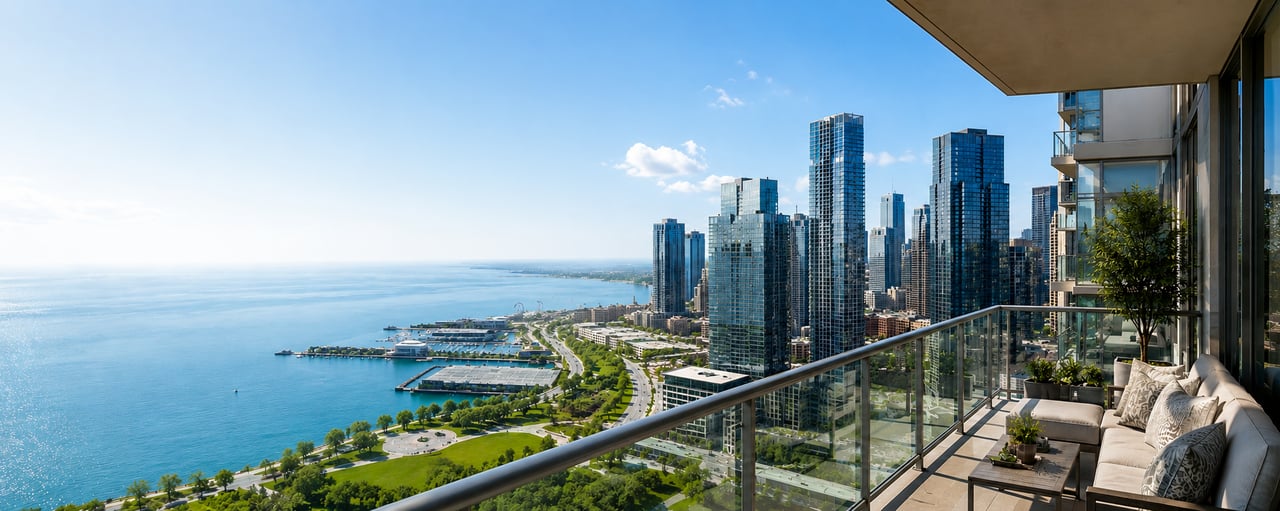
Both neighborhoods provide quick access to Lake Michigan. Lincoln Park offers direct connection to extensive parkland, the zoo, and beaches near North Avenue. Lake View’s eastern edge reaches harbors and beaches to the north, including the Belmont Harbor area. Waterfront or lake-view units typically command a premium.
Transit density is high in both areas and commute times to downtown are often similar, depending on the block and proximity to CTA lines and bus routes. Driving can be affected by lakefront access points, one-way streets, and garage availability. Expect heavier event traffic near Wrigley Field on game days.
How to decide: a simple framework
Step 1 — Prioritize lifestyle:
- Choose between quieter residential blocks or vibrant nightlife and entertainment
- Decide how important immediate park or lakefront access is to you
- List must-haves like in-unit laundry, deeded parking, or a doorman
Step 2 — Define financial tolerances:
- Set your purchase price range and maximum monthly HOA budget
- Consider property tax impacts alongside mortgage and dues
- Decide if the condo will be a primary home or an investment, then confirm rental rules
Step 3 — Review building documents before an offer:
- Current budget, reserve study, and recent meeting minutes
- Bylaws, rental and pet policies, owner roster to gauge investor ratio
- Insurance certificate, plus disclosures on pending litigation or warranties
Step 4 — Make the most of tours:
- Check common areas, elevator condition, and package handling for maintenance culture
- Look for signs of water intrusion or exterior deferral
- Gauge daytime and nighttime noise, including proximity to rail lines or venues
- Note orientation and light, views, and parking access for you and guests
Step 5 — Prepare for financing implications:
- Confirm lender requirements tied to owner-occupancy, litigation, and reserves
- Understand how HOA dues factor into qualification ratios
Where to tour first
Lincoln Park: sample routes and building types
- Armitage and Fullerton corridors: historic greystone conversions and boutique elevator buildings for classic charm and retail walkability.
- Between Clark and LaSalle toward Stockton Drive: mid to high-rise buildings with full-service amenities and potential lake or park views.
- Near the DePaul campus edges: a mix of newer condos and rental conversions, useful for comparing owner-occupied versus investor dynamics.
Lake View: sample routes and building types
- Wrigleyville around Clark, Waveland, and Sheffield: vintage conversions, walk-ups, and some mid-rise new construction near the ballpark.
- North Halsted between Addison and Belmont: boutique conversions and newer units with dining and entertainment access.
- Belmont Harbor and eastern Lake View near Lake Shore Drive: high-rise lakefront or near-lake condos with marina and harbor proximity.
When possible, include one of each type in both neighborhoods: a historic conversion, a boutique elevator building, a mid-rise, and a full-service tower. This side-by-side experience will clarify your preferences on layouts, HOA culture, and amenities.
What this means for resale and financing
Resale demand is strong across both neighborhoods, yet building health matters more than the ZIP code. High investor concentration, weak reserves, or active litigation can limit financing options and narrow the buyer pool. A careful review of condo documents and lender guidance early in your search can protect your future resale and your monthly budget.
Ready for expert help?
Choosing between Lake View and Lincoln Park is easier when you compare building types, HOA strength, and everyday lifestyle side by side. If you want a guided tour plan, document review help, and a clear negotiation strategy, reach out to Larissa Brodsky for boutique, data-driven condo expertise.
FAQs
Which neighborhood tends to be more expensive for condos?
- Lincoln Park’s median condo prices generally skew higher, while Lake View offers a broader range that includes more entry-level options in certain pockets.
How do HOA dues compare between Lake View and Lincoln Park?
- Both vary by building type and amenities; full-service towers near the lake often have higher dues, while smaller vintage buildings may be lower but can carry leaner reserves.
Is lake access better in one neighborhood?
- Both provide strong lake and park access; Lincoln Park emphasizes direct parkland connections, and Lake View offers long shoreline stretches and harbor access.
What should I review in the condo documents before offering?
- Review the budget, reserve study, recent minutes, special assessment history, bylaws and rules, owner-occupancy ratio, insurance, and any pending litigation.
How does nightlife or event traffic affect daily life?
- Expect more activity in Wrigleyville and parts of North Halsted in Lake View, while Lincoln Park’s residential blocks are generally quieter, with busy corridors near shops and restaurants.