Thinking about leaving your downtown condo but not ready to give up convenience? That is where River Forest can get interesting. If you want easier access to parks, a quieter daily rhythm, and a more residential setting while still keeping Chicago within reach, this village offers a different kind of condo lifestyle. Here’s what you should know before making the move.
Why River Forest Feels Different
River Forest is about 10 miles west of downtown Chicago and covers just 2.5 square miles. It is a compact village with a small-town footprint, not a sprawling suburb. That smaller scale shapes how you live day to day.
The numbers also tell a clear story. Recent Census QuickFacts show an estimated 2024 population of 11,909, a median household income of $146,786, and an owner-occupied housing unit rate of 87.7%. In practical terms, River Forest reads as a stable, mostly owner-occupied community rather than a renter-heavy urban district.
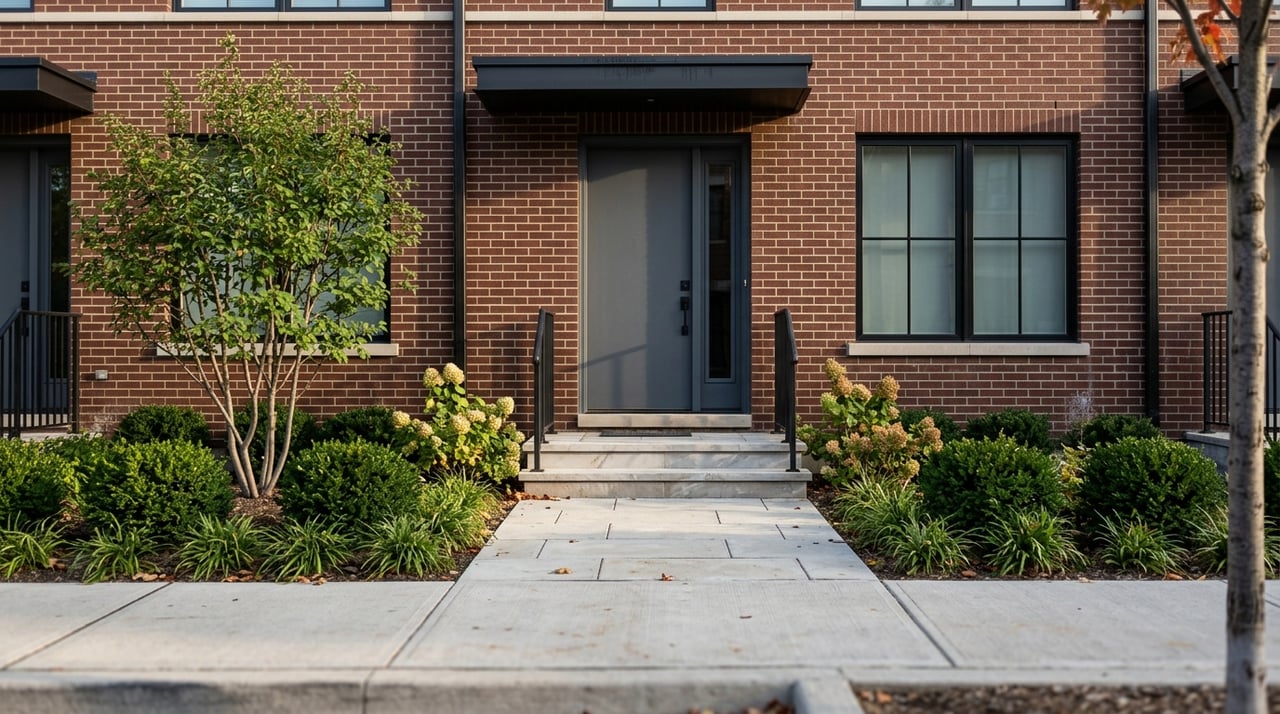
For a former city dweller, that usually means less bustle and more residential consistency. You are not moving into a high-rise neighborhood with activity on every block. You are moving into a village where the built environment, civic institutions, and daily routines feel more grounded and local.
What Condo Living Looks Like Here
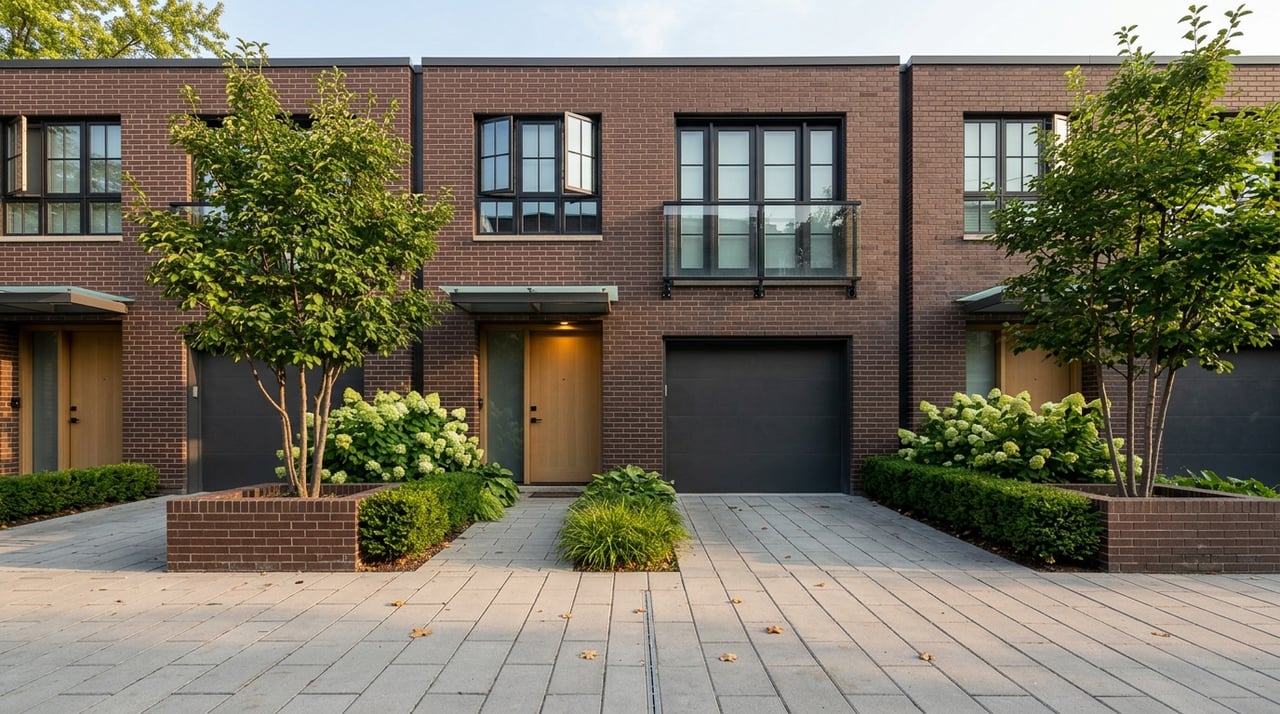
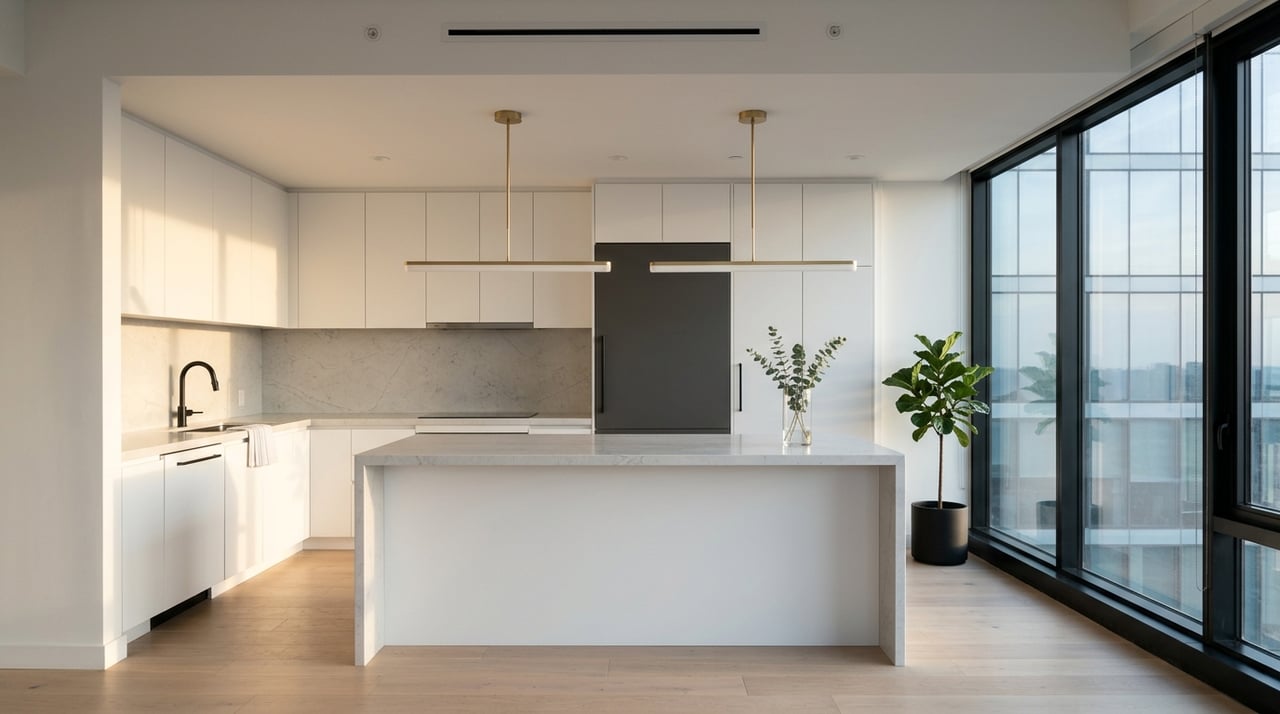
If you are used to downtown towers, River Forest will feel like a shift in form as much as location. This is not a tower-driven market with stacked amenities and a full urban retail scene at your doorstep. The setting is more low-density and neighborhood-oriented.
That can be a plus if your priorities are changing. Instead of focusing on a rooftop deck or a long list of in-building amenities, you may find yourself placing more value on nearby parks, easier parking, quieter streets, and a simpler day-to-day pace.
River Forest also has a strong architectural identity. Village materials highlight styles such as Prairie School, Tudor Revival, Victorian, Art Deco, and Bungalows, along with work tied to architects including Frank Lloyd Wright, William Drummond, Spencer and Powers, and E.E. Roberts. Even if you buy a condo or townhome rather than a detached home, you are still buying into a place with a distinct physical character.
Daily Convenience Without Full Urban Intensity
One of the biggest questions former Chicago residents ask is simple: will daily life still feel convenient? In River Forest, the answer is yes, but in a more suburban format. Errands and shopping tend to cluster along a few main corridors, especially Lake Street, North Avenue, Harlem Avenue, and Madison Street.
The village says its Town Center includes established businesses such as Whole Foods Market, Starbucks, and Panera. Current business listings also show a practical lineup that includes Yolk, First Watch, Cava Mezze Grill, Bertolli's Pizza, Franks Deli, Ulta, Petco, and a range of medical and service providers.
That mix supports a comfortable routine. You can handle groceries, coffee, casual meals, and everyday needs locally, but the overall feel is more village center than downtown entertainment district. If you are coming from the Loop, River North, or Streeterville, that difference will be noticeable right away.
Commuting to Chicago Still Works
If you still need regular access to downtown, River Forest has a strong case. Metra’s Union Pacific West line serves the River Forest station at 8001 W. Central Avenue, with service to Ogilvie Transportation Center in downtown Chicago. For many buyers, that rail link is one of the biggest reasons the village stays on the shortlist.
There are also bus options nearby. Pace routes 307, 309, and 318 serve River Forest or nearby communities, and route 309 specifically includes River Forest, Oak Park, and Chicago in its service area. You may also use the CTA Green Line in nearby Oak Park as another transit option east of the village.
At the same time, River Forest still functions with a car-aware suburban structure. The village parking page covers commuter monthly and daily parking, overnight parking requests, and parking-zone information. So while transit access is real, you should still expect driving and parking to play a larger role than they likely did in a downtown high-rise setting.
Walking and Biking Are Part of the Appeal
Not every suburb gives you a realistic walking and biking option, but River Forest puts real effort into both. The village bicycling guide describes River Forest as a walkable community with tree-lined streets and convenient public transit. Its bicycle plan is designed to connect riders with trails and major destinations.
The village also has a sidewalk program focused on better sidewalk conditions and ADA-compliant ramps. That matters because it supports a more connected day-to-day experience, especially if you want to downshift from constant driving without giving up mobility.
For former city residents, this can be one of the smoother parts of the transition. You may not have the same level of street activity as downtown Chicago, but you can still build a routine that includes walking to errands, biking for recreation, or reaching the train without feeling disconnected.
Parks and Nature Add a New Daily Rhythm
One of River Forest’s clearest lifestyle advantages is access to open space. The River Forest Park District manages 10 parks and 28.5 acres of parkland. Seasonal amenities include an outdoor ice rink at Constitution Park, platform tennis courts at Keystone Park, and outdoor restrooms at several parks.
That park system becomes part of everyday life in a way that feels different from city living. Instead of needing to plan around a crowded lakefront path or traveling for green space, you have neighborhood parks woven into the village itself.
The western edge of River Forest adds another layer. Thatcher Woods includes 245 acres of woodland along the Des Plaines River, and Forest Preserve materials note that riders from the River Forest station can reach the Trailside Museum area with about a 0.4-mile walk north on Thatcher Avenue to Chicago Avenue. If you like the idea of a quick nature reset after work, that is a meaningful benefit.
The Tradeoff Former City Dwellers Should Expect
Every move involves compromise, and River Forest is no exception. What you gain here is lower density, more residential calm, stronger access to parks, and a practical village-center convenience pattern. What you give up is the fully urban environment that makes downtown living feel immediate and fast-paced.
You should expect fewer retail options within a few steps of home and less of a late-night atmosphere. You should also expect more attention to parking rules and a daily routine shaped by a handful of commercial corridors rather than block-by-block storefront density.
For many buyers, that trade feels worth it. If your current high-rise lifestyle feels convenient but too intense, River Forest may offer a better balance. If you still want a true tower lifestyle with extensive building amenities and a dense retail scene, it may feel too quiet.
Who River Forest May Suit Best
River Forest tends to make the most sense for buyers who want to stay connected to Chicago while shifting into a calmer residential setting. If you value rail access, local errands, walkable streets, and parks, the village checks a lot of boxes. It can be especially appealing if your lifestyle is evolving from nightlife-first to convenience-and-routine first.
It may also appeal to buyers who want a more contained and self-sustaining community feel. Village resources highlight a network of civic institutions that includes the park district, public library, township, community calendar, and local school districts. That institutional structure helps River Forest feel established and organized rather than simply adjacent to the city.
From a condo-buyer perspective, the key is matching the village to your priorities. If you want lower density without losing access to downtown Chicago, River Forest deserves a close look.
How to Think About Your Move
If you are comparing River Forest to downtown neighborhoods, try to focus less on direct one-to-one substitution and more on lifestyle fit. This is not “Streeterville with trees” or “River North with more space.” It is a different environment with different strengths.
A smart search starts with your non-negotiables:
- How often you need to commute downtown
- Whether you want to rely on Metra, driving, or both
- How important walkable errands are to your routine
- How much you value parks and open space
- Whether you are comfortable with a quieter retail and dining scene
That kind of framework can help you decide whether River Forest fits your next chapter or whether you still need a more urban setting. The goal is not just to leave the city. The goal is to move into a place that supports how you actually want to live.
If you are weighing that decision and want a data-driven, condo-focused perspective, Larissa Brodsky can help you compare your options with clarity and confidence.
FAQs
What is River Forest like for former downtown Chicago condo owners?
- River Forest offers a quieter, lower-density residential setting with rail access to downtown, clustered daily errands, and strong access to parks and open space.
How do you commute from River Forest to downtown Chicago?
- Metra’s Union Pacific West line serves the River Forest station at 8001 W. Central Avenue and runs to Ogilvie Transportation Center, with additional bus service from Pace and nearby CTA access in Oak Park.
What kind of shopping and errands can you do in River Forest?
- River Forest has practical everyday shopping and dining concentrated around corridors like Lake Street, North Avenue, Harlem Avenue, and Madison Street, including businesses such as Whole Foods Market, Starbucks, Panera, Yolk, First Watch, and Petco.
Is River Forest walkable for condo buyers?
- Village materials describe River Forest as a walkable community with tree-lined streets, convenient public transit, a bicycle plan, and sidewalk improvements that support local mobility.
What parks and outdoor spaces are available in River Forest?
- The River Forest Park District manages 10 parks and 28.5 acres of parkland, and nearby Thatcher Woods adds 245 acres of woodland along the Des Plaines River.
Is River Forest a good fit if you still want an urban lifestyle?
- River Forest may work well if you want access to Chicago without full urban intensity, but it may feel too quiet if you want a true high-rise lifestyle, a large amenity stack, or dense retail right outside your door.