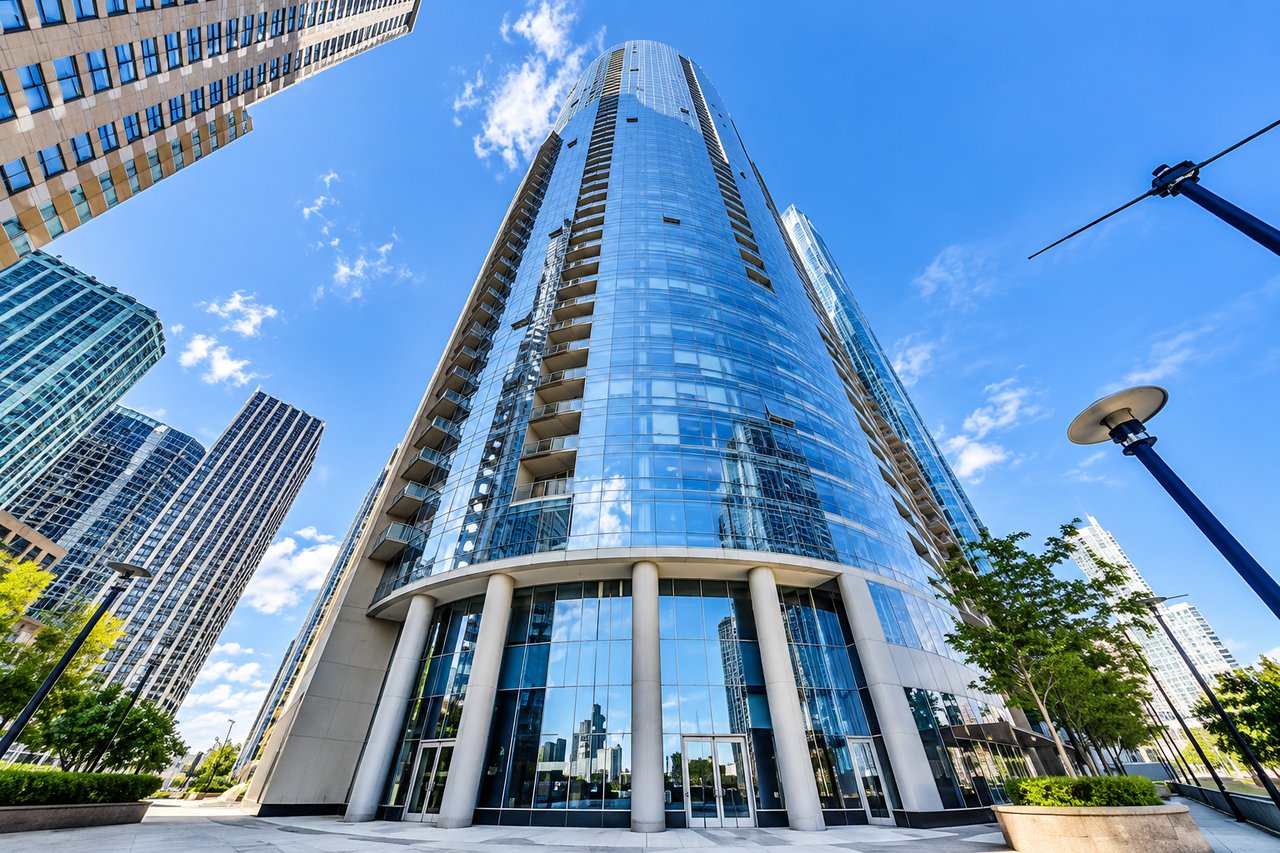
For buyer loan applications dated on or after August 3, 2026, most conventional lenders must run a full review of your building's finances and condition. The lighter review that many buyers used to qualify for is gone. For applications dated on or after January 4, 2027, the building's budget must generally put at least 15% of assessment income into reserves, up from 10%. Well-run buildings may notice little change. In a building with thin reserves, unresolved critical repairs, or pending litigation, some buyers may have trouble getting a conventional loan. That's why it pays to review your association's documents before you list.
If you own a condo in Streeterville, River North, the Gold Coast, or Lakeshore East and you're thinking about selling in the next year, here's what matters most: your buyer's lender will look at your building almost as closely as your unit.
That isn't entirely new. What changed in 2026 is how many buyers face that scrutiny, and how high the bar will be in 2027.
The date that matters is your buyer's loan application date, not your listing date. A unit listed in December can easily end up with a buyer whose application is dated after January 4, 2027.
What changed in 2026, and what changes in January 2027
Fannie Mae and Freddie Mac buy most conventional mortgages in the U.S., so their condo standards shape what lenders will approve. Both announced coordinated changes on March 18, 2026 (Fannie Mae Lender Letter LL-2026-03 and Freddie Mac Guide Bulletin 2026-C). Here's the sequence.
Already in effect (loan applications on or after August 3, 2026):
- The lighter review is retired. Fannie Mae's "Limited Review" and Freddie Mac's "Streamlined Review" are gone for established condo buildings. Under Fannie Mae's guide, Limited Review had allowed many owner-occupant buyers putting at least 10% down to skip a detailed look at the building. Those buyers now go through a Full Review, unless the building qualifies for a waiver.
- The waiver only helps small buildings. Projects with 10 or fewer units can now skip project review, with some conditions. That's good news for small Lincoln Park or Lakeview buildings. It rarely helps a downtown high-rise.
- Reserve studies have to be real. If a building relies on a reserve study instead of the percentage test, its budget must include the study's highest recommended reserve contribution. The "baseline" funding method no longer qualifies.
Also in effect (applications on or after July 1, 2026): the master insurance policy's deductible can't exceed $50,000 per unit. Buyers also need a unit-owner (HO-6) policy that meets minimum standards.
Coming January 4, 2027: under Full Review, the building's budgeted reserve contribution must be at least 15% of annual budgeted assessment income, up from 10%.
One change in the other direction: Fannie Mae retired its 50% limit on investor-owned units for established buildings under Full Review. If your building has a lot of rentals, that removes one obstacle for some buyers.
The rules that didn't change but now apply to more buyers
This part gets lost in most coverage. Fannie Mae's existing standards were already strict. Because Full Review is now the default, they now apply to far more downtown sales. Under Fannie Mae's Selling Guide, a building generally can't get Fannie Mae financing if:
- It needs critical repairs: significant safety, structural, or habitability issues, or unfunded repairs over $10,000 per unit that should be done within the next 12 months.
- A special assessment tied to a critical repair hasn't been addressed.
- The association is a party to significant pending litigation. Minor matters may be allowed.
- More than 15% of units are 60 or more days behind on assessments.
- A single entity owns more than 20% of units in a building with 21 or more units, or commercial space exceeds 35%.
None of this means your building has a problem. It means the questions are now asked on almost every conventional loan, so you want to know the answers first.
Could your buyer have trouble getting financing?
For many downtown buildings, probably not. A building with a healthy budget, a current reserve study, no major unresolved repairs, and clean insurance should keep moving through conventional financing. Associations have also had months of notice to adjust.
The risk is concentrated in buildings with thin reserves, deferred maintenance, pending lawsuits, or a 2027 budget that doesn't reach 15%. In those buildings, a conventional buyer's loan could stall in underwriting. Chicago real estate attorneys have noted that association finances often aren't fully reviewed until after a contract is signed. A problem found then can mean renegotiation, delays, or a cancelled deal.
If your building doesn't meet Fannie Mae and Freddie Mac standards, your condo is still sellable. Your buyer pool changes:
- Cash buyers aren't affected by these rules at all.
- Jumbo and portfolio lenders set their own condo standards. Many review similar information, but they aren't bound by Fannie Mae's rules. Loans on buildings that don't meet agency standards (often called non-warrantable) typically come with larger down payment requirements or different pricing.
- FHA single-unit approval may be possible in buildings that aren't FHA-approved. HUD limits FHA-insured units to 10% of a building with 10 or more units.
- VA loans have their own condo approval process.
A smaller buyer pool usually shows up as more time on market and more negotiating pressure. That has to be priced in from day one, not discovered after a deal falls apart. If you're weighing that trade-off, the article on selling a Chicago condo faster without underpricing it explains how to set a price that holds up.
What to ask your HOA or management company
You don't need to become a lender to get ahead of this. Ask your management company or board for these items. Most come from documents the association already keeps.
- The current budget and the proposed 2027 budget. Divide the annual reserve contribution by the annual assessment income. Is it at or above 15% for 2027? If not, what's the plan?
- The most recent reserve study. When was it completed, and does the budget fund the study's highest recommended contribution?
- Engineering, façade, garage, or roof reports and any repairs the board has discussed for the next few years.
- Special assessments, whether approved or under discussion: the purpose, the amount per unit, and when it's due.
- Pending litigation involving the association.
- Delinquency: roughly what share of units are 60 or more days behind.
- Master insurance: the per-unit deductible and the current certificate.
- Recent financed sales: whether recent buyers closed with conventional loans, and whether the association has recently completed lender questionnaires without issues.
Understanding these factors can help position a downtown condo for sale. A building that has already moved to stronger reserves may have an advantage when buyers compare properties.
For more on how buyers read these documents, see how to review condo financials before buying in Streeterville. For why a low monthly assessment can mislead buyers, see why a lower monthly assessment in the Gold Coast doesn't always mean a lower cost.
What to check before you list
- Order your 22.1 disclosure package early. Under Section 22.1 of the Illinois Condominium Property Act, a seller must make key association information available to a buyer on request. That includes anticipated capital expenditures for the current and next two fiscal years, reserve status, the latest financial statement, pending lawsuits, and insurance coverage. The association has a deadline to respond and may charge a capped fee. Requesting it before you list means there are no surprises during attorney review.
- Ask a lender to look at the building early. A loan officer who regularly closes downtown condo loans can tell you what they'd need and where your building might raise questions.
- Price for the buyers who can actually finance. If conventional financing may be harder in your building, recent comparable sales may tell only part of the story. Your pricing and marketing should reflect who can realistically buy.
- Watch the January 4, 2027 cutoff. If your building's 2027 budget reaches 15% reserves, document it for buyers. If it doesn't, plan for a buyer whose application date falls after the cutoff.
Your attorney is the right person for the legal questions in your 22.1 package. Your lender is the right person for financing questions. An experienced real estate broker can help evaluate how your building's finances compare with competing properties and how those differences should shape pricing and timing.
Frequently Asked Questions
Do the new rules apply if my condo is already listed?
Yes, if your buyer is using a conventional loan. What matters is the date of the buyer's loan application, not your listing date. Full Review has applied to applications dated on or after August 3, 2026, and the 15% reserve minimum applies to applications dated on or after January 4, 2027.
Does my building need 15% reserves right now?
Not yet. Under Fannie Mae and Freddie Mac Full Review, the minimum reserve contribution is 10% of budgeted assessment income until applications dated January 4, 2027, when it rises to 15%. A building can also qualify by funding the highest recommended contribution from a qualifying reserve study.
Can I still sell my condo if my building is non-warrantable?
Yes. Cash buyers aren't affected, and some jumbo and portfolio lenders finance buildings that don't meet Fannie Mae or Freddie Mac standards, usually with larger down payments. FHA single-unit approval may also be an option. Expect a smaller buyer pool and price accordingly.
Do these rules affect cash buyers?
No. Fannie Mae and Freddie Mac standards apply only to loans those agencies buy. A cash buyer may still review your association's documents, and their attorney will see the 22.1 disclosures.
What is a 22.1 disclosure in Illinois?
It's the association information an Illinois condo seller must make available to a buyer on request under Section 22.1 of the Condominium Property Act. It covers governing documents, unpaid assessments, anticipated capital expenditures, reserve status, the latest financial statement, pending lawsuits, and insurance. Request it early. It's often where financing questions first appear.
Know where your condo stands before buyers do
The new rules don't make downtown condos harder to sell across the board. They reward buildings that can document strong finances, and they expose the ones that can't. The sellers who do best will know their building's numbers before a buyer's lender asks.
If you're thinking about selling in the next year, start with a Market Position & Equity Report. It's a custom look at how your condo compares with competing units in your building and nearby towers, and where it's likely to price today.
Enter your address at ChicagoHomeSellingStrategy.com to request yours.
If you'd rather talk through your building's situation first, reach out here.
About Larissa Brodsky
Larissa Brodsky is a Chicago real estate broker who has been in Chicago real estate since 2008. Affiliated with Compass, she specializes in Downtown Chicago condominiums, including Lakeshore East, Streeterville, River North, and the Gold Coast, while also serving clients throughout Chicago.
With a background in technology and a strategic, detail-oriented approach, Larissa helps sellers navigate pricing, property preparation, marketing, negotiations, and the closing process.
Larissa Brodsky, Real Estate Broker, Compass.
This article is general information, not legal, tax, or lending advice. Lending standards change; confirm current requirements with your lender and consult a real estate attorney about your specific situation.
Sources
- Fannie Mae, Lender Letter LL-2026-03: Updates to Project Standards & Property Insurance Requirements (March 18, 2026)
- Freddie Mac, Guide Bulletin 2026-C (March 18, 2026)
- Fannie Mae Selling Guide, B4-2.1-03, Ineligible Projects and Full Review Process
- U.S. Department of Housing and Urban Development, FHA condominium rule and single-unit approval (2019)
- Illinois General Assembly, Public Act 102-0976 (amending Section 22.1 of the Condominium Property Act)
- Axios Chicago, New rules could complicate Chicago condo sales (August 18, 2026)