Why do two similar West Loop condos have very different monthly fees, and what do those assessments really pay for? If you are comparing buildings, you want a clear picture of your true monthly cost and risk. You also want to avoid surprises like a sudden special assessment after closing. This guide breaks down how assessments work in Chicago high-rises, what to look for in HOA documents, and how to compare West Loop buildings with confidence. Let’s dive in.
What your assessment covers
A condo assessment is the monthly amount you pay to your association to run the building. It is separate from your property taxes and your personal condo insurance. Most assessments fund two things: day-to-day operating costs and contributions to the reserve fund for big-ticket repairs.
Operating costs typically include building staffing and management, utilities for common areas, cleaning and maintenance contracts, master insurance, and administrative costs. Many West Loop towers also include water and trash service, and some include heat. Parking is often separate if spaces are deeded or leased.
Reserves are savings for long-term capital work. Examples include roof replacement, elevator modernization, boilers or chillers, façade and window work, and parking structure repairs. A healthy reserve contribution helps reduce the need for special assessments later.
Assessments do not cover your mortgage, most in-unit utilities unless centrally billed, or personal upgrades. They also do not replace your HO-6 policy that covers your belongings and gaps beyond the master policy.
Special assessments
A special assessment is a one-time or multi-installment charge when the association needs funds beyond the regular budget. Typical triggers in Chicago high-rises include mechanical failures, exterior masonry or window projects, elevator upgrades, parking garage remediation, and emergency remediation after storms or water intrusion. A large insurance deductible after a claim can also lead to a special assessment if it applies to common elements.
Boards levy special assessments according to the building’s declaration and bylaws and within the framework of the Illinois Condominium Property Act. Some projects can be approved by the board up to set limits, while larger or multi-year assessments may require an owner vote. Unpaid assessments become a lien on the unit and can lead to foreclosure if unresolved.
Special assessments affect buyers in two ways. First, there is the immediate cash burden. Second, lenders and appraisers often account for the added cost, which can influence loan approval and value. Always ask whether any special assessments are pending or planned, and review seller disclosures and recent board minutes.
Lenders and resale
Lenders review the building’s financial health, not just your personal file. Underwriters look at the association’s budget, reserves, delinquency rates, any ongoing litigation, and special assessments. Project eligibility for FHA, VA, and conventional loans depends on program rules. Buildings with weak reserves, high delinquencies, or active litigation can limit financing options.
Frequent large assessment increases or repeated special assessments can signal risk. That can lower buyer demand and affect resale value. On the other hand, higher assessments tied to valuable amenities can be acceptable if the market understands the tradeoff and the building is well run.
Appraisers consider marketability and owner costs. A pending special assessment or a history of frequent special assessments can weigh on value. Clear documentation and stable budgets help protect your resale.
Read the HOA numbers
Smart buyers request the right documents early and read them closely. These papers show how the building is run today and how it plans for tomorrow.
Request these documents
- Most recent annual budget and year-to-date operating statements
- Last audited or reviewed financial statements, if available
- Most recent reserve study and the date it was prepared
- Reserve fund balance and latest statement
- Board meeting minutes for the past 12 months and any special meeting notices
- Records of any pending or recently approved special assessments
- Assessment increase history for the past 3 to 5 years
- List of major capital projects completed in the past 10 years and planned projects
- Association master insurance declarations and deductibles
- Delinquency report showing owner arrearages
- Any current litigation or pending claims
- Rules on rentals, owner occupancy, and parking
Key indicators to review
- Operating vs. reserve split. How much of your assessment goes to reserves each month?
- Reserve study status. Is the study recent, and is the association fully funded, partially funded, or underfunded relative to the study’s recommendations?
- Assessment trends. Moderate, consistent increases are normal. Steep or irregular jumps may signal deferred maintenance or past underfunding.
- Delinquency rate. A high rate can strain the budget and increase the risk of special assessments.
- Large line items. Utilities, staffing, management fees, insurance, elevator contracts, and legal expenses deserve attention. Note which items are paid from operating funds versus reserves.
Red flags
- No recent reserve study or an outdated one
- Reserve balance far below the study’s recommended level
- Repeated special assessments in recent years
- High or rising legal fees or ongoing litigation
- Qualified audit opinions or poor financial transparency
- Master policy with a very large deductible that could expose owners to high costs after a loss
West Loop realities
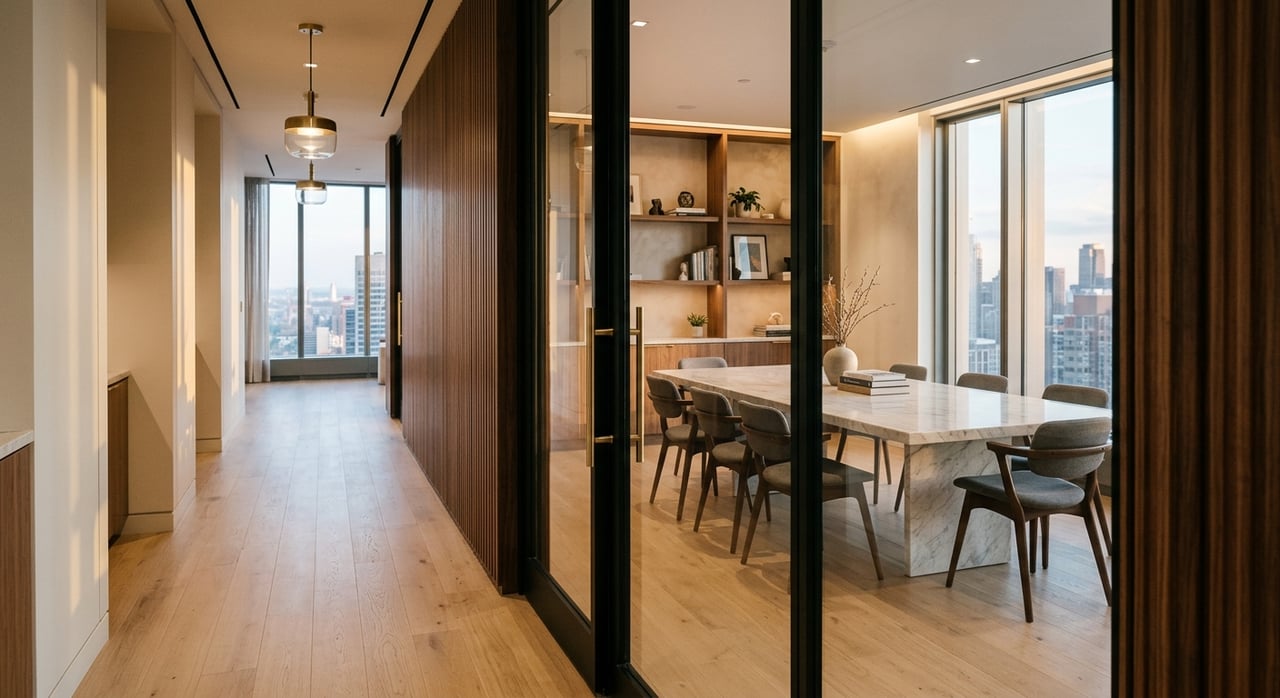
West Loop high-rises often have amenity-rich profiles that shape assessments. Many towers include doorman or concierge services, fitness centers, rooftop decks, package rooms, bike storage, and sometimes pools. These features add convenience and lifestyle value, but they increase staffing and operating costs.
Large high-rises depend on complex mechanical systems like boilers, chillers, and central HVAC plants. Aging or custom systems are expensive to replace. Exterior window walls or curtain walls, masonry, and balcony systems require periodic work, which can be significant. Chicago winters add costs for heating, snow removal, and freeze-related maintenance.
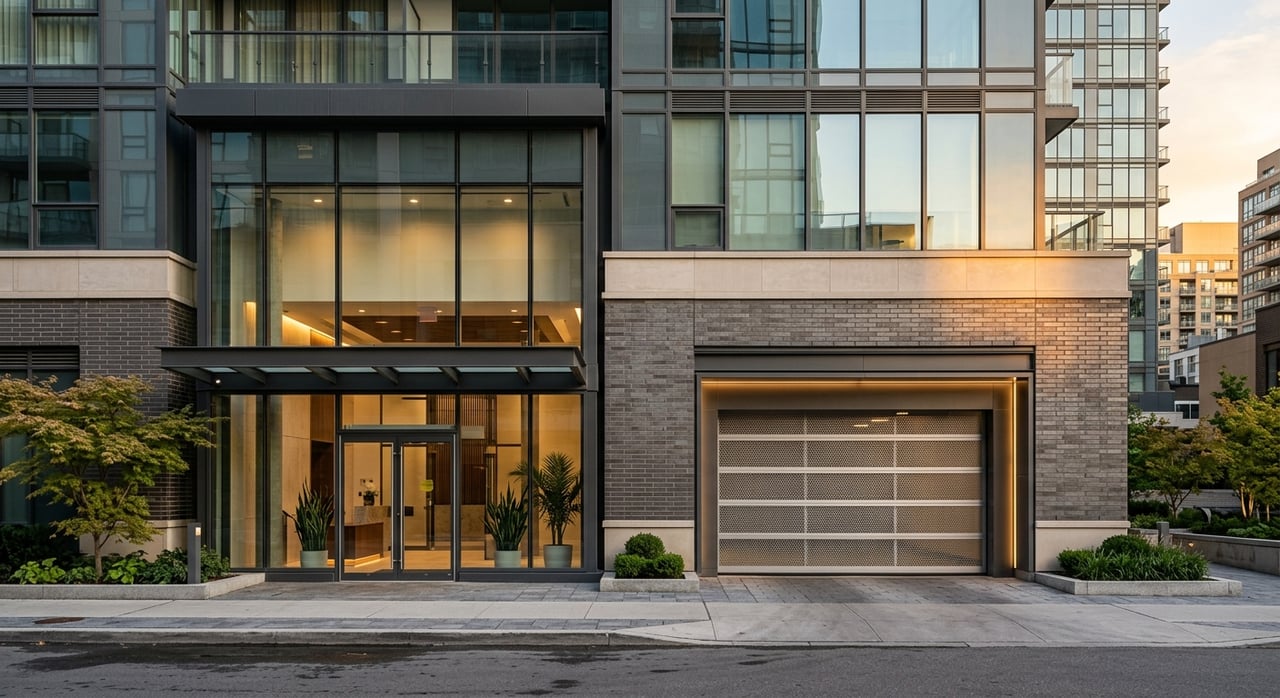
Parking structures bring both operating and capital demands. Maintenance, waterproofing, and slab repair projects can be large and may lead to special assessments if not planned for in reserves. Building age also matters. Newer towers may have stronger initial reserves but higher amenity loads. Older loft conversions may have fewer amenities but may face envelope or mechanical upgrades.
Common capital projects seen in West Loop high-rises include window wall or curtain wall replacement, elevator modernization, boiler or chiller replacement, roof membrane work, balcony remediation, and garage waterproofing. Understanding where your building stands in each lifecycle helps you forecast future costs.
Compare buildings checklist
Use this checklist to compare two or three buildings side by side:
- Current monthly assessment and what it includes, such as heat, water, cable or internet, and amenities
- Reserve contribution per unit per month and total reserve balance
- Date of the last reserve study and percent funded if reported
- History of special assessments in the last 10 years, including amounts and purposes
- Assessment increases over the last 3 to 5 years
- Delinquency rate and collection policy
- Major capital projects completed and those planned in the next 5 years
- Master insurance limits and deductibles
- Management company and staffing model, for example, 24/7 doorman versus part-time
- Parking costs and policies, deeded versus leased spaces
- Any current litigation or large insurance claims
Calculate true monthly cost
To budget accurately, include all ownership costs in a single number. Add your mortgage principal and interest, monthly assessment, property taxes, HO-6 insurance, typical utilities not covered by the assessment, and any known or likely special assessment amount.
Here is a hypothetical example for a West Loop condo:
- Monthly mortgage principal and interest: $1,800
- Monthly assessment: $700, split into $550 operating and $150 reserve contribution
- Property taxes, monthly equivalent: $400
- HO-6 insurance: $30
- Utilities not included: $120
- Special assessment amortized, for example, $12,000 over 5 years equals $200 per month
- True monthly cost: $1,800 + $700 + $400 + $30 + $120 + $200 = $3,250
If board minutes or the reserve study suggest a likely project, run a second scenario that includes a potential special assessment. This helps you compare buildings with different risk profiles on equal footing.
Negotiation and due diligence
Get the resale packet early so you have time to review everything with your attorney. If the building shows low reserves or near-term capital projects, you can factor that risk into your offer strategy. You might request a seller credit or escrow if a known special assessment is imminent.
Consider bringing in a specialist if needed. A condo attorney can interpret bylaws and disclosures. If major building work appears likely, an engineer or architect can help you understand scope and timing. Clear information gives you leverage and protects you from surprises.
When to walk away
- No reserve study and a very low reserve balance despite visible deferred maintenance
- Board minutes show multiple significant repairs repeatedly deferred
- High and rising owner delinquency rate without a plan to reverse it
- Large ongoing litigation tied to common elements
- Master insurance with an unusually large deductible that shifts risk to owners
Myths and truths
- Myth: A low assessment is always better. Truth: Very low fees can signal underfunding. You might face larger jumps or special assessments later.
- Myth: A high assessment kills resale. Truth: If high fees fund strong reserves and useful amenities, the market often accepts them. Buyers need clarity on what they get and how the building is managed.
- Myth: Special assessments are always a red flag. Truth: One well-communicated assessment tied to a clear, long-term improvement can be reasonable. Repeated or surprise assessments suggest poor planning.
Work with a specialist
You deserve a clear view of the costs, the benefits, and the risks in each building. With the right documents and a structured review, you can compare West Loop condos apples to apples and buy with confidence. If you want a data-driven process and building-level guidance tailored to your goals, connect with Larissa Brodsky for a focused West Loop strategy.
FAQs
What does a Chicago condo assessment include in high-rises?
- It usually covers staffing and management, common-area utilities, routine maintenance contracts, master insurance, admin costs, and a reserve contribution for future capital projects.
What triggers a special assessment in West Loop buildings?
- Common triggers are mechanical failures, exterior envelope or window work, elevator upgrades, garage repairs, emergency remediation, or large master policy deductibles after a claim.
How do lenders view a building’s reserves and fees?
- Lenders review budgets, reserve balances, delinquency rates, special assessments, and litigation because these factors affect loan eligibility and long-term risk.
How can I tell if reserves are healthy?
- Check the most recent reserve study for recommended funding and compare it to the current reserve balance to see if the association is fully funded, partially funded, or underfunded.
What documents should I request before making an offer?
- Ask for the budget, year-to-date statements, reserve study, reserve balance, minutes for the last 12 months, special assessment history, assessment increases, insurance details, delinquency report, and litigation status.
Are higher assessments always bad for resale?
- Not necessarily. Higher fees tied to valuable amenities and strong reserves can be market-acceptable, while unstable budgets and repeated special assessments can hurt demand and value.